
What treatment
20+ Most Frequently Asked Questions About Aromatherapy
Find Clear and Concise Answers to Common Questions About Aromatherapy
Trusted Medical Tourism Platform Since 2007
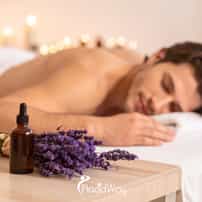
How Do Essential Oils Work on the Limbic System and Autonomic Nervous System?
Essential oils work by stimulating olfactory receptors that send direct chemical signals to the limbic system, the emotional center of the brain. This interaction rapidly modulates the autonomic nervous system to lower stress and induce relaxation. Key Takeaways: Aromatic Neurological Impact Direct Brain Access: Scent molecules bypass the standard sensory filters of the brain, traveling straight along the olfactory nerve to the deep emotional centers. Emotional Regulation: The limbic system processes botanical aromas to directly influence memory formation, mood stabilization, and psychological baseline. Autonomic Control: Specific botanical profiles successfully shift the body out of sympathetic fight or flight stress into parasympathetic rest and digest recovery. Measurable Physiology: Clinical inhalation can objectively lower resting heart rate, reduce circulating cortisol levels, and decrease systemic blood pressure. Transdermal Delivery: Applying essential oils topically allows highly active lipid-soluble compounds to enter the central bloodstream and cross the blood-brain barrier. How do essential oils directly interact with the olfactory system? When inhaled, volatile aromatic molecules bind to specialized receptors in the nasal epithelium. These receptors instantly transmit electrical impulses along the olfactory nerve directly into the brain cavity without delay. The journey of an essential oil begins the moment its volatile compounds evaporate into the air and enter the nasal cavity. Inside the nose lies the olfactory epithelium, a highly specialized patch of tissue packed with millions of sensory neurons. When you inhale the aroma of a botanical extract, the microscopic molecules physically lock into these delicate receptor sites like a key fitting into a highly specific biological lock. Once this binding occurs, it immediately triggers a dramatic cellular response. The sensory neurons convert the chemical signature of the essential oil into a powerful electrical signal. This electrical impulse travels rapidly up the olfactory nerve, passing straight through the cribriform plate of the skull, and arrives directly at the olfactory bulb located at the base of the brain. What makes the olfactory system completely unique among all human senses is its architectural routing. While visual, auditory, and tactile signals must first pass through the thalamus for cognitive sorting and filtering, scent signals completely bypass this logical relay station. They maintain an uninterrupted, high-speed highway directly into the deepest, most primitive regions of the human brain, allowing for an instantaneous physiological reaction. What role does the limbic system play in processing aromas? The limbic system acts as the emotional and memory processing center of the brain. It immediately interprets incoming olfactory signals to generate specific psychological and profound physiological autonomic responses. Often referred to as the emotional brain, the limbic system is a complex network of structures including the amygdala, the hippocampus, and the hypothalamus. Because the olfactory bulb is physically wired directly into these limbic structures, scents possess an unparalleled ability to influence human psychology. When the electrical signals from an essential oil reach the amygdala, the brain evaluates the emotional safety of the environment, actively determining whether to feel calm or threatened. Simultaneously, the signals interact heavily with the hippocampus, which is the biological filing cabinet for long-term memories. This close anatomical relationship explains the phenomenon of olfactory memory, where a specific botanical scent can vividly instantly transport an individual back to a distant childhood moment. By utilizing comforting aromas, individuals can actively leverage this network to recall positive emotional states on demand. Crucially, the limbic system does not just process abstract feelings; it translates these feelings into tangible physical commands. Once the limbic system interprets an aroma as soothing, it immediately communicates with the hypothalamus. The hypothalamus serves as the ultimate command center, translating the emotional relaxation into hormonal and neurological signals that dictate how the rest of the physical body should behave. How do aromatic compounds affect the autonomic nervous system? The autonomic nervous system regulates involuntary bodily functions like heart rate and digestion. Aromatic compounds influence this system by signaling the hypothalamus to adjust downward hormonal and neurological output accordingly. The autonomic nervous system operates entirely below the level of conscious thought, relentlessly managing the background machinery of human survival. It is divided into two highly distinct branches that function like a biological seesaw: the sympathetic branch, which acts as the accelerator pedal for stress, and the parasympathetic branch, which acts as the braking system for deep recovery. When the hypothalamus receives calming chemical data from inhaled essential oils, it tips this biological seesaw heavily in favor of the parasympathetic branch. It actively dials down the electrical firing rate of the sympathetic nerves that connect to the heart, lungs, and adrenal glands. This top-down command prevents the body from wasting precious metabolic energy on unnecessary stress reactions. Conversely, if an individual inhales a highly stimulating essential oil like black pepper or peppermint, the hypothalamus interprets this chemical profile as a signal for vigilance. It gently engages the sympathetic nervous system, slightly increasing respiratory rate and peripheral blood flow to enhance cognitive focus and combat physical lethargy without pushing the body into full-blown panic. Can essential oils stimulate the parasympathetic nervous system? Yes, specific essential oils are highly effective at activating the parasympathetic nervous system. This vital activation promotes the rest and digest state, allowing the body to recover fully from severe systemic stress. Heart Rate Deceleration: Parasympathetic activation via vagus nerve stimulation physically slows the rhythmic firing of the cardiac pacemaker cells, leading to a calmer, steadier resting heart rate. Blood Pressure Reduction: As the nervous system relaxes, the smooth muscles lining the blood vessels dilate. This widening allows blood to flow with far less resistance, naturally lowering systemic blood pressure. Digestive Restoration: Stress halts gastrointestinal motility. Calming aromas signal the body that it is safe to redirect blood flow back to the stomach and intestines, promoting healthy nutrient absorption and digestion. Muscular Relaxation: The parasympathetic state reduces the constant low-grade electrical signals sent to skeletal muscles, effectively melting away chronic tension held in the neck, jaw, and shoulders. Respiratory Deepening: The bronchial tubes gently relax, allowing for slower, much deeper diaphragmatic breathing, which further oxygenates the brain and solidifies the biological relaxation loop. Which specific essential oils calm the sympathetic fight or flight response? Lavender, bergamot, chamomile, and ylang-ylang are scientifically proven to calm the sympathetic nervous system. They actively reduce adrenaline and cortisol levels to halt the exhausting fight or flight biological reaction. Lavender (Lavandula angustifolia): Extensively researched for its anxiolytic properties, lavender contains high levels of linalool which actively modulates the GABAergic system, producing a highly reliable sedative effect. Bergamot (Citrus bergamia): Unlike most uplifting citrus oils, bergamot specifically regulates the hypothalamic-pituitary-adrenal axis, demonstrating a remarkable clinical ability to significantly reduce salivary cortisol levels during moments of high anxiety. Ylang-Ylang (Cananga odorata): This heavy floral extract acts directly on the cardiovascular system, demonstrating strong clinical efficacy in reducing elevated blood pressure and smoothing out erratic heart palpitations caused by acute stress. Roman Chamomile (Chamaemelum nobile): Containing potent flavonoids, this gentle botanical acts as a mild central nervous system depressant, effectively easing intense nervous tension and preparing the brain for deep sleep. Frankincense (Boswellia carterii): The earthy resin contains active incensole acetate, which interacts with specific brain channels to alleviate deep emotional grief, mitigate depressive moods, and slow hyperventilation. How fast do essential oils reach the brain after inhalation? The olfactory response is incredibly rapid, with aromatic molecules reaching the brain within seconds of inhalation. This unique anatomical shortcut provides almost instantaneous feedback to the emotional and neurological command centers. When comparing delivery methods for neurological impact, inhalation is undeniably the most efficient. The moment a person takes a deep breath of a diffused essential oil, the tiny, highly volatile molecules travel up the nasal passages. Because the olfactory nerve endpoints are completely exposed to the external environment within the nasal cavity, the transmission of data begins immediately without any digestive delay. Furthermore, essential oil molecules are highly lipophilic, meaning they are easily dissolved in fats. The human brain is protected by the heavily guarded blood-brain barrier, which keeps out most water-soluble toxins and heavy pharmaceuticals. However, because essential oils are extremely small, lipid-soluble compounds, they slip seamlessly through this protective biological shield to interact directly with cerebral tissues. Within roughly twenty-two seconds of the initial inhalation, the chemical constituents of the oil have successfully reached the brain. By the two-minute mark, these compounds can be detected circulating within the central bloodstream. This astonishing biological speed makes inhalation the premier method for arresting sudden panic attacks and immediately downregulating an overactive nervous system in real-time. What is the physiological mechanism behind aromatherapy for stress relief? Aromatherapy relieves stress by physically altering neurotransmitter activity. It downregulates excitatory chemicals while promoting the release of calming neurotransmitters like serotonin, dopamine, and endorphins throughout the body. Stress relief through botanical inhalation is not merely a placebo effect; it is a hardwired neurochemical intervention. When an individual experiences chronic stress, their brain overproduces excitatory neurotransmitters like glutamate and continuously fires the stress hormone cortisol. Aromatherapy acts as a biological circuit breaker for this exhausting chemical cascade. Certain essential oils possess molecules that structurally mimic the shape of natural calming neurotransmitters. When they reach the limbic system, they actively bind to specific receptor sites, signaling the brain to ramp up the production of serotonin and dopamine. These heavy-hitting neurochemicals naturally elevate the mood, stabilize erratic emotional swings, and generate profound feelings of psychological safety. Simultaneously, the calming signals instruct the pituitary gland to cease sending emergency commands to the adrenal glands. As the adrenal glands power down, the relentless flood of cortisol stops. This massive reduction in systemic stress hormones prevents the long-term cellular damage, chronic inflammation, and immune system suppression that typically accompany unmanaged emotional distress. Can transdermal absorption of essential oils impact neurological function? Yes, when applied topically, lipid-soluble essential oils penetrate the epidermal layers and enter the central bloodstream. Once in circulation, they easily cross the blood-brain barrier to exert heavy systemic neurological effects. While inhalation is the fastest route to the brain, topical application provides a highly effective, sustained release of botanical compounds into the neurological network. The human skin is not an impenetrable wall; it is a highly porous membrane. When essential oils are properly diluted in a carrier oil and massaged into the skin, their tiny molecular structure allows them to slide easily between the epidermal cells. Once they penetrate the dermal layers, these active compounds are absorbed directly into the underlying capillary beds. From there, the circulatory system acts as a massive transport highway, distributing the therapeutic molecules throughout the entire physical body. Because they are lipophilic, they effortlessly slip across the blood-brain barrier to interact with the central nervous system. The method of application also creates a powerful synergistic effect. The physical act of massage stimulates mechanoreceptors in the skin, which independently signals the brain to lower tension. Combining the soothing mechanical touch with the pharmacological action of absorbed essential oils creates a profoundly relaxing experience that deeply sedates an overactive sympathetic nervous system for hours. Are there clinical studies proving the neurological benefits of aromatherapy? Extensive peer-reviewed clinical studies confirm that aromatherapy induces measurable neurological changes. Electroencephalogram recordings and biochemical salivary assays routinely validate its efficacy in stress management and cognitive regulation. Heart Rate Variability: Multiple studies confirm that inhaling authentic lavender essential oil significantly increases heart rate variability, which is the premier clinical marker demonstrating robust parasympathetic nervous system activity. Cortisol Suppression: Psychoneuroendocrinology research demonstrates that participants exposed to bergamot essential oil vapor exhibit statistically significant drops in salivary cortisol levels during highly stressful tasks compared to placebo control groups. Cognitive Enhancement: Peer-reviewed trials utilizing electroencephalogram (EEG) technology reveal that inhaling rosemary essential oil objectively alters brainwave patterns, significantly improving speed, accuracy, and overall mental endurance on demanding cognitive tests. Clinical Anxiety Reduction: Hospital-based studies frequently show that patients utilizing chamomile and lavender aromatherapy experience vastly lower preoperative anxiety and require less pharmaceutical pain intervention during postoperative recovery phases. Sleep Architecture: Polysomnography measurements in clinical settings indicate that diffusing specific botanical blends deepens the slow-wave sleep phases, proving that the oils structurally improve the biological architecture of human rest. Empower Your Neurological Health Naturally Understanding the profound biological connection between the olfactory system, the limbic brain, and the autonomic nervous system unlocks powerful new tools for managing daily stress. For personalized guidance on integrating clinical-grade essential oils into your holistic wellness routine, always consult with a certified aromatherapist or functional medicine practitioner. Get Your Free Quote * Responses typically within 24 hours. Complete privacy guaranteed. References The Effects of Essential Oils on the Nervous System – National Center for Biotechnology Information Therapeutic Effect and Mechanisms of Essential Oils in Mood Disorders – National Institutes of Health Aromatherapy and Essential Oils: Holistic Strategies in Complementary Medicine – MDPI Essential Oils in the Treatment of Various Diseases – National Center for Biotechnology Information Effects of Lavender on the Nervous System – National Institutes of Health Aromatherapy and the Autonomic Nervous System – National Center for Biotechnology Information...
Read more details


How Is the Feel-Good Fragrance Trend Using Neuroscience to Turn Scents into Emotional Power Tools?
The feel-good fragrance trend uses neuroscience by mapping how specific scent molecules stimulate the limbic system. This clinical neuro-aromatherapy in Thailand instantly alters brainwaves, lowering cortisol and acting as an emotional tool. Key Takeaways: The Science of Scent & Therapy Direct Brain Access: Olfactory receptors bypass traditional sensory pathways, directly stimulating the amygdala to control emotions. Empirical Measurement: Specialists use electroencephalogram mapping to visually confirm how specific fragrances alter patient brainwaves. Targeted Chemistry: Volatile organic compounds like linalool are clinically administered to trigger serotonin and dopamine release. Integrative Tourism: Southeast Asia blends high-tech neurology with ancient botanical knowledge, creating world-class holistic programs. Long-Term Efficacy: Patients take home personalized olfactory anchors to instantly manage anxiety and stress in daily life. The intersection of advanced neurological science and traditional wellness therapies has birthed a revolutionary approach to mental health. The concept of utilizing functional fragrances as emotional anchors is no longer a fringe wellness concept; it is a highly validated clinical practice. When we inhale specific botanical compounds, we are engaging in a precise chemical dialogue with our central nervous system. This scientific understanding has rapidly transformed the global landscape of integrative medicine. As patients increasingly seek holistic yet scientifically backed treatments for mood disorders and chronic stress, Southeast Asia has emerged as a premier destination. The evolution of specialized facilities offering customized olfactory therapies provides individuals with unique tools to regulate their mental states independently. By understanding the intricate biology behind this phenomenon, patients can make informed decisions about pursuing these innovative therapeutic retreats. Standard Spa vs Clinical Fragrance Therapy Feature Standard Aromatherapy Clinical Neuro-Aromatherapy Primary Goal General relaxation and pleasant ambient environment. Targeted modification of brainwaves and neurochemical release. Diagnostics None; patient simply chooses a scent they enjoy. Uses biometric tracking, HRV testing, and brainwave mapping. Ingredient Purity Often uses synthetic or partially natural fragrance oils. Requires strictly verified, clinical-grade volatile organic compounds. Application Passive diffusion in a room or massage oil application. Prescribed inhalation protocols with monitored physiological feedback. How does neuro-aromatherapy in Thailand differ from standard spa treatments? Clinical neuro-aromatherapy in Thailand utilizes biometric technology to prescribe precise botanical compounds, whereas standard spa therapies merely use synthetic fragrances for superficial relaxation. When you visit a traditional spa, the scent of lavender or eucalyptus is primarily used to mask clinical odors and create a generally pleasant atmosphere. The selection is subjective, and the oils are often commercially graded. In contrast, advanced facilities approach scent as a pharmacological intervention. They utilize sophisticated biometric equipment to monitor how specific compounds impact the physiological state of the patient. Medical professionals at these specialized centers measure heart rate variability, skin conductance, and even brainwave patterns before recommending a treatment protocol. By analyzing this data, practitioners can identify whether a patient requires compounds that stimulate parasympathetic nervous system activity for deep rest, or sympathetic activity for enhanced focus and mood elevation. Furthermore, the active ingredients used in these clinical environments are rigorously sourced. The volatile organic compounds must meet strict medical standards to ensure they contain the exact molecular weight required to cross the blood-brain barrier. This precision elevates the practice from simple wellness pampering to targeted psychiatric and physiological therapy. Expert Insight The olfactory system is the only human sense that routes directly to the limbic system without first passing through the thalamus. This anatomical shortcut allows clinical scents to trigger emotional and chemical shifts significantly faster than oral medications or visual stimuli. What is the average neuro-aromatherapy cost in Thailand for international wellness tourists? The neuro-aromatherapy cost in Thailand typically ranges from $800 to $3,500 for a comprehensive weekly program, heavily dependent on the depth of neurological diagnostics and luxury accommodations. Understanding the financial commitment required for these integrative therapies is crucial for potential patients. A basic consultation and bespoke formulation at an outpatient clinic might start around a few hundred dollars. However, the true value lies in immersive retreat programs. These comprehensive packages usually include advanced initial diagnostics, daily therapeutic inhalation sessions, customized botanical compounding, and continuous bio-monitoring. Compared to similar high-end integrative psychiatric treatments in North America or Europe, the financial aspect remains highly competitive. Western clinics offering comparable functional brain mapping alongside holistic therapy often charge triple the amount. The cost efficiency in Southeast Asia is driven by lower administrative overhead and immediate access to native botanical resources, not a reduction in medical quality. Patients should also factor in the holistic nature of the pricing. Comprehensive packages frequently bundle the olfactory treatments with nutritional support, mindfulness coaching, and physical therapies like specialized acupressure. This integrative pricing model ensures patients receive a multi-disciplinary approach to emotional regulation without facing unexpected a la carte medical charges. How does a top neuro-aromatherapy clinic in Thailand use scents to alter brain chemistry? A premier neuro-aromatherapy clinic in Thailand utilizes specific volatile compounds that physically bind to olfactory receptors, triggering an immediate release of serotonin and dopamine in the brain. The science of altering mood through fragrance relies heavily on the study of specific molecular interactions. When a patient inhales a prescribed botanical extract, microscopic volatile organic compounds travel up the nasal cavity. These compounds physically bind to specialized receptors on the olfactory epithelium. This binding action generates an electrical signal that travels up the olfactory nerve directly into the brain. Once this electrical impulse reaches the olfactory bulb, it is instantly routed to the amygdala and the hippocampus. The amygdala acts as the emotional processing center of the brain, while the hippocampus manages memory formation. By exposing these areas to specific chemical signals, practitioners can effectively short-circuit anxiety loops. For example, compounds rich in linalool have been clinically proven to lower blood cortisol levels and reduce the physical symptoms of stress. This process is vastly different from psychological suggestion. Even if a patient lacks the conscious cognitive ability to recognize a smell, their brain chemistry will still physically react to the molecular compounds. This makes functional fragrance an incredibly powerful tool for patients suffering from severe emotional blockages or trauma that prevents them from engaging in traditional talk therapy. Did You Know? Researchers have discovered that different scents literally change the electrical frequencies of your brain. Inhaling sweet orange oil increases alpha brainwaves associated with deep relaxation, while rosemary oil significantly boosts beta waves, improving cognitive speed and alertness. Can specialized neuro-scent therapies effectively treat clinical anxiety disorders? Yes, highly targeted scent protocols can significantly reduce clinical anxiety by forcing the autonomic nervous system to shift from a sympathetic fight-or-flight state into a parasympathetic resting state. Rapid Intervention: Olfactory stimulation works faster than digestive absorption, providing immediate relief during acute anxiety or panic attacks. Cortisol Reduction: Specific botanical formulations have been clinically validated to rapidly lower the stress hormone cortisol in the bloodstream. Heart Rate Regulation: Continuous inhalation of prescribed compounds stabilizes irregular heartbeats commonly associated with severe anxiety disorders. Non-Addictive Solution: Unlike many pharmaceutical anti-anxiety medications, carefully managed neuro-fragrance therapies carry virtually no risk of chemical dependency. Sleep Architecture Improvement: Nighttime application of custom fragrances enhances deep sleep phases, which is critical for long-term anxiety recovery. What diagnostic tools do neuro-wellness centers use before prescribing fragrances? Medical practitioners utilize quantitative brain mapping and heart rate variability testing to accurately determine a patient baseline before blending optimal neuro-scent profiles. To move away from guesswork and towards precision medicine, elite wellness retreats rely on objective data. The foundational tool is often a quantitative electroencephalogram. This non-invasive test measures electrical activity across different regions of the brain. Practitioners can easily identify areas of hyperactivity linked to stress or hypoactivity linked to depression, allowing them to tailor the chemical formulation specifically to the patient neurological needs. Heart Rate Variability tracking is another crucial diagnostic metric. It measures the variation in time between consecutive heartbeats, serving as a powerful indicator of nervous system resilience. A patient with low variability is typically stuck in a state of chronic stress. Specialists administer test fragrances while monitoring these metrics in real-time, verifying exactly which botanical compound successfully increases the patient resilience markers. Additionally, some advanced facilities conduct salivary biomarker testing to measure baseline hormone levels. By establishing baseline levels of cortisol, DHEA, and melatonin, the clinical team can prescribe a comprehensive olfactory regimen that targets the specific endocrine imbalances driving the patient emotional distress. Why is medical tourism in Thailand expanding into neurological fragrance therapies? Medical tourism in Thailand is expanding into this niche because the country perfectly integrates highly advanced neurological healthcare infrastructure with a deep cultural mastery of botanical medicine. The Southeast Asian healthcare market has long been respected for excellence in cosmetic and restorative surgeries. However, the global shift towards preventative mental healthcare has prompted a rapid evolution in services. The region possesses a unique advantage: it seamlessly blends state-of-the-art medical technology with centuries-old traditions of herbal pharmacology. This duality creates the perfect ecosystem for integrative neurology. The government actively supports the development of sophisticated wellness infrastructure, ensuring that facilities maintain strict international accreditation standards. Consequently, international patients trust that they will receive world-class care utilizing cutting-edge biometric equipment, while simultaneously benefiting from native botanical extracts that are exceptionally pure and potent due to the local climate. Furthermore, the inherent cultural emphasis on hospitality and holistic healing makes the destination highly attractive for mental health retreats. Patients are removed from their high-stress domestic environments and placed into luxury clinical settings designed specifically to foster psychological safety, a vital component when engaging in deep emotional reprogramming therapies. How do functional fragrances serve as long-term emotional power tools after treatment? Patients use custom-formulated functional fragrances as portable neuro-anchors, allowing them to instantly recreate a state of clinical calm during everyday high-stress situations. The true brilliance of this therapy lies in a psychological concept known as olfactory conditioning. During a clinical retreat, a patient experiences deep relaxation and neurological balance while being repeatedly exposed to a specific, custom-blended scent. Over time, the brain forms a powerful associative bond between that exact molecular structure and the state of profound safety and calm. Once the patient returns home, this customized scent becomes an incredibly effective emotional power tool. When faced with a trigger or overwhelming stress, the patient simply inhales their prescribed compound. Because the olfactory nerve bypasses cognitive processing, the brain immediately recognizes the chemical signature and automatically initiates the physiological relaxation response trained during the retreat. This provides individuals with a discreet, highly portable method of emotional self-regulation. Instead of waiting for a therapy appointment or relying solely on oral medications that take time to digest, patients possess an instant, self-administered intervention. This empowers them to navigate professional and personal challenges with renewed confidence and neurological resilience. Are there any side effects to participating in clinical scent therapy retreats? Clinical scent therapy is exceptionally safe, though improperly calibrated dosages can occasionally cause mild headaches or temporary olfactory fatigue in highly sensitive individuals. Because the therapy relies entirely on natural, non-invasive botanical compounds, the risk profile is extremely low compared to pharmaceutical interventions. The primary concern is usually olfactory fatigue, a phenomenon where the brain simply stops registering a scent after continuous, prolonged exposure. Professional clinics prevent this by utilizing pulsed inhalation schedules rather than continuous room diffusion. Another potential side effect is mild cephalalgia, or headaches, which typically occurs only if a patient is exposed to a concentration that is too intense for their specific neurological baseline. This underscores the necessity of engaging with accredited medical professionals who precisely calculate dosages based on biometric feedback, rather than relying on over-the-counter recreational products. Finally, practitioners must conduct thorough medical histories to rule out rare botanical allergies or asthma triggers. By sourcing clinical-grade ingredients free from synthetic extenders or chemical solvents, top-tier facilities drastically reduce the likelihood of any adverse respiratory or dermatological reactions during the treatment process. Why Choose PlacidWay for booking your neuro-aromatherapy in Thailand? PlacidWay connects you with globally accredited neurological wellness centers, guaranteeing verified pricing, exceptional safety standards, and tailored therapeutic packages without the guesswork. Navigating the complex world of international wellness treatments can be challenging, especially when seeking highly specialized neurological care. PlacidWay serves as your essential bridge to world-class integrative medicine, ensuring a secure and transparent process. Here is why patients globally trust PlacidWay: Rigorous Facility Vetting: We partner exclusively with wellness hospitals and clinics that maintain stringent international medical accreditations and utilize evidence-based neurological diagnostics. Transparent Financial Structures: We eliminate hidden medical fees by providing clear, pre-negotiated package costs, allowing you to focus entirely on your healing journey. Specialist Pre-Consultations: We facilitate direct virtual introductions with clinical neurologists and aromatherapy experts to ensure the program aligns perfectly with your medical history. Holistic Package Integration: We curate comprehensive programs that blend your specific olfactory therapies with complementary modalities like nutritional science and cognitive counseling. Uncompromising Safety Standards: We mandate that all partner facilities utilize clinical-grade, verified botanical compounds, ensuring the highest level of pharmacological purity. Frequently Asked Questions Is clinical neuro-aromatherapy recognized as a legitimate medical treatment in Thailand? Yes, clinical neuro-aromatherapy is widely recognized within the integrative healthcare sector in Thailand. Many accredited wellness hospitals blend traditional botanical knowledge with modern neurological diagnostics to provide holistic, evidence-based care. How long does a standard neuro-fragrance therapy session last in Bangkok? A standard clinical session typically lasts between sixty to ninety minutes. This timeframe includes initial neurological biometric testing, the guided inhalation phase, and post-session brainwave mapping to ensure the desired emotional shift has been achieved. Do health insurance plans cover neuro-aromatherapy costs in Thailand? Most standard international health insurance policies consider this an alternative or complementary therapy and do not provide direct coverage. Patients usually pay out of pocket, though some premium global wellness policies might reimburse a portion of the consultation fees. Are there age restrictions for participating in a neuro-scent wellness program? Most specialized wellness centers require patients to be at least eighteen years old to participate in intensive brain-mapping protocols. However, modified and gentle olfactory therapies are occasionally offered for adolescents dealing with severe academic stress or anxiety. What should I avoid eating before my olfactory brain stimulation session? Patients are advised to avoid heavy, pungent foods like garlic, onions, and excessively spicy dishes for at least twenty-four hours prior. Consuming strong-smelling foods can alter your natural olfactory baseline and interfere with the precise neurological absorption of the therapy. How soon will I notice emotional improvements after functional fragrance therapy? Because the olfactory bulb connects directly to the emotional centers of the brain, physiological shifts like lowered heart rate occur within seconds. Noticeable, sustained emotional improvements usually manifest within the first two to three consecutive treatment days. Can I combine neuro-aromatherapy with cognitive behavioral therapy in Phuket? Absolutely. Many luxury wellness retreats and psychiatric facilities actively combine functional fragrance therapies with cognitive behavioral counseling. The scents act as neurological anchors, helping patients remain calm and receptive during intense psychological breakthroughs. Are the essential oils used in Thai neuro-clinics medically approved? Premium facilities use only clinical-grade, organically certified botanical extracts that meet strict domestic and international pharmacological standards. These compounds are rigorously tested for purity, ensuring they contain the exact active molecules required to cross the blood-brain barrier. What happens if I have an allergic reaction to a clinical fragrance in Thailand? Medical staff conduct comprehensive allergy panels and detailed medical history reviews prior to introducing any scent compounds. In the rare event of a reaction, the clinical setting ensures that antihistamines and emergency medical protocols are immediately available. Can I purchase medical-grade neuro-fragrances to take home after my retreat? Yes, a core component of the treatment plan involves formulating a personalized therapeutic blend for you to take home. This portable compound allows you to trigger the conditioned neuro-response and manage stress effectively long after your trip concludes. Transform Your Mental Wellness Today Stop letting stress control your life. Partner with PlacidWay to access the world most advanced neurological scent therapies. Secure a free, no-obligation consultation to discover certified wellness clinics and fully customized medical packages designed specifically for your emotional healing. Get Your Free Quote * Responses typically within 24 hours. Complete privacy guaranteed....
Read more detailsShare with AI
Share this page with AI assistants to get summaries and insights









