





Request a video call
Confirm Your Virtual Consultation
New Path Ibogaine Treatment Center for Addiction Recovery Profile Overview
You Are Looking for a Way Out. Let’s Make Sure It Is a Safe One.
If you are reading about ibogaine, there is a good chance you or someone you love has already been through detox, rehab or years of medication without the relief you hoped for. That exhaustion is real, and wanting a different approach is completely understandable.
Ibogaine is a powerful psychoactive compound, not an approved medicine, and it carries a known risk of dangerous heart-rhythm changes. My goal here is to help you look at New Path Ibogaine with clear eyes, so that any decision you make is informed rather than rushed.
You may be exploring this option because:
- You have relapsed after one or more conventional rehab programs and feel you are running out of options.
- You are dependent on opioids such as fentanyl, heroin or oxycodone and dread the withdrawal process.
- You want to come off methadone or Suboxone and have heard ibogaine may ease that transition.
- You live with PTSD, depression or anxiety that has not responded well to standard treatment.
- A family member has Parkinson’s disease or a traumatic brain injury and you are searching for anything that might help.
- Ibogaine is unavailable in your home country and Tijuana is a short trip from Southern California.
Questions you may already have asked:
- “Can ibogaine help me get off fentanyl or heroin without going through severe withdrawal?”
- “Is it safe to use ibogaine to come off methadone or Suboxone after years on it?”
- “Does ibogaine work for alcohol, methamphetamine or cocaine addiction, or mainly for opioids?”
- “Could ibogaine ease PTSD, depression or anxiety that has not improved with medication and therapy?”
- “Can ibogaine improve tremor, stiffness or mobility in Parkinson’s disease?”
- “Will ibogaine help with memory, mood or concentration problems after a traumatic brain injury?”
What Brings People to Consider Ibogaine in Tijuana
Before comparing clinics, it helps to name what you are actually trying to solve. The clearer you are about your situation, the better the questions you will ask.
What You May Be Experiencing
- Strong cravings that return days or weeks after a detox program ends.
- Physical withdrawal from opioids, alcohol or long-acting medications such as methadone.
- Persistent low mood, anxiety or trauma symptoms alongside substance use.
- Motor symptoms, tremor or stiffness from Parkinson’s disease.
- Lingering cognitive or emotional effects after a head injury.
How It May Be Affecting Your Daily Life
- Strain on your relationships, parenting or trust within your family.
- Difficulty holding a job or meeting daily responsibilities.
- Constant fear of overdose, for yourself or someone you love.
- Financial pressure from repeated treatment attempts.
- A sense of hopelessness after trying “everything.”
What You May Have Already Tried
- Residential rehab or 12-step programs.
- Medically managed detox.
- Methadone, buprenorphine (Suboxone) or naltrexone.
- Antidepressants, talk therapy or trauma-focused counseling.
- Neurology care and standard Parkinson’s medications.
What Often Leads People to Consider Ibogaine Therapy
- Reports that a single treatment can sharply reduce opioid withdrawal and cravings.
- Media coverage of the 2024 Stanford study in veterans with brain injuries.
- Personal stories from people who describe lasting change.
- The short distance from San Diego to Tijuana.
- Published program prices that are lower than many private US residential programs.
Questions You Deserve Clear Answers To
- “Am I medically safe to receive ibogaine given my heart, liver and current medications?”
- “What happens if I develop a dangerous heart rhythm during or days after treatment?”
- “Which doctor will be responsible for me, and can I check their license?”
- “If I stop using opioids, how do I protect myself from overdose when my tolerance drops?”
- “What support will I have once I am back home?”
- “What does the full cost look like if my stay needs to be extended?”
Are You a Candidate for Ibogaine Therapy at New Path Ibogaine?
There are no universally accepted candidacy criteria for ibogaine, because it is not an approved treatment in the United States or Mexico. Suitability has to be decided case by case, and I would treat the screening process itself as one of the most important signs of how seriously a clinic takes safety.
Factors that usually shape whether ibogaine is even considered:
- Heart health: any history of arrhythmia, prolonged QT interval, heart failure, fainting or sudden cardiac death in your family needs specialist review.
- Current medications: many antidepressants, antipsychotics, some antibiotics and other drugs affect heart rhythm or ibogaine metabolism, and some require tapering first.
- Type of dependence: fentanyl, methadone and Suboxone generally require longer, more complex stabilization, and the clinic prices these programs higher.
- Liver function and electrolytes: the clinic reports routine liver panels and electrolyte testing before treatment.
- Mental health history: a history of psychosis, bipolar disorder or active suicidal thoughts changes the risk picture considerably.
- Your aftercare plan: without a realistic plan for home, the benefits of any short residential program are harder to sustain.
Important: Ibogaine is not FDA-approved, and peer-reviewed reports describe life-threatening heart-rhythm disturbances, including in people with no known heart disease. Do not stop prescribed medications such as methadone, buprenorphine or antidepressants on your own before travel. Any taper should be supervised by a doctor who knows your full history.
Is New Path Ibogaine Right for You?
New Path Ibogaine may be worth a closer look if you understand that ibogaine is experimental, you have been screened by a cardiologist, and you want a medically staffed residential setting close to the US border with published prices. It is harder to recommend if you have significant heart risk factors, are stable on medication treatment that is working, or are hoping for a guaranteed cure. In my view, the deciding factor should be how thoroughly the clinic answers your safety questions in writing, not how compelling the testimonials are.
Quick Summary
- Location: Av. Del Mar 22560, Baja Malibu, Tijuana, Baja California, Mexico.
- Focus: Ibogaine-based programs for addiction, mental health and neurological conditions.
- Safety monitoring: The clinic reports 12-lead ECG screening and continuous EKG monitoring during treatment.
- Prices: $7,800 to $27,500 USD depending on program and length; English and Spanish spoken.
- Key decision: Are your heart health and medications safe enough for ibogaine, and who will manage an emergency?
About New Path Ibogaine in Tijuana
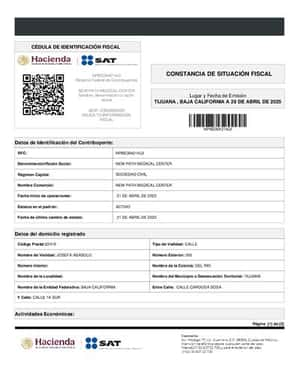
New Path Ibogaine treats patients at Av. Del Mar 22560 in the Baja Malibu coastal area of Tijuana, and the clinic also refers to an earlier center in Rosarito Beach. Its Mexican tax registration (RFC NPM2304214L0) shows the operating company as New Path Medical Center, S.C., a civil society registered with Mexico’s tax authority (SAT) as active since April 21, 2023, with private general medical practice as its registered activity and a fiscal address at Calle Josefa Abasolo 505, Colonia Del Río, Tijuana. The medical director is Carlos Silva, MD, an internal medicine specialist, supported by physicians, nurses, paramedic nurses and psychologists.
Why does this matter to you? Ibogaine’s most serious risks are cardiac, and they can appear hours or even days after a dose. The value of any ibogaine clinic rests on its screening, its continuous monitoring, the training of its overnight staff, and how quickly it can move you to a hospital with cardiac care. The clinic reports ACLS-certified nurses and continuous EKG monitoring, and these are exactly the claims I would ask to see documented.
| Key fact | What is confirmed | What you should verify |
|---|---|---|
| Regulatory status of ibogaine | Ibogaine is not a controlled substance in Mexico, but it is not an approved medicine there either. It is Schedule I and not FDA-approved in the United States. | Ask what legal framework the clinic uses to source and administer ibogaine, and how the product is tested for purity and dose. |
| Legal entity and tax registration | New Path Medical Center, S.C., RFC NPM2304214L0, active with SAT since April 2023, registered for private general medical practice. | A tax certificate is not a health license. Ask for the facility’s COFEPRIS or state health authority operating notice or permit for the Baja Malibu site. |
| Physician licenses | The clinic publishes professional license (cédula) numbers for four physicians, including 8288763 for Dr. Silva. | Search each name and cédula in Mexico’s Registro Nacional de Profesionistas, and confirm Dr. Silva’s internal medicine specialty registration. |
| Accreditation | I found no JCI or other international accreditation for this clinic. | Ask directly whether the clinic holds any external accreditation or independent safety audit. |
| Emergency capability | The clinic reports continuous EKG monitoring, 24/7 medical staff and ACLS-trained nurses; it also mentions cardiologists on its official website. | Ask for the defibrillator and emergency medication inventory, the transfer hospital name, drive time and whether a physician stays on site overnight. |
Licensing and tax registration show that a business exists legally. They do not guarantee safe care, good outcomes or that ibogaine will work for you.
Ibogaine Programs Offered at New Path Ibogaine
The table below is here to help you compare the clinic’s program categories and understand where the evidence is stronger or weaker. It is not a recommendation for any specific program.
| Option | Conditions treated | When it may be considered | Limitations and questions to ask |
|---|---|---|---|
| Opioid dependence Heroin, prescription opioids, fentanyl |
Dependence on short-acting opioids and fentanyl, with programs from 7 days to up to 14 days. | When withdrawal and cravings have repeatedly derailed recovery and other options have been discussed with a physician. | This is the area with the most research, but it is still mainly observational. Ask how the clinic prevents overdose after discharge, when tolerance is lower. |
| Methadone and Suboxone transition Long-acting opioid medications |
People wishing to stop methadone (up to 30 days) or Suboxone (up to 21 days). | Only after a careful conversation about whether stopping is truly in your interest, since these medications reduce overdose deaths. | Ask exactly how the transition is managed, which medications are used and what happens if you cannot complete it. |
| Stimulants and alcohol Methamphetamine, cocaine, alcohol, kratom, nicotine |
Stimulant programs of 10 days; alcohol and nicotine programs from $7,800. | When cravings and relapse are the main problem. Alcohol withdrawal itself can be dangerous and needs medical management. | Evidence for ibogaine in these conditions is limited. Stimulant use can also strain the heart, which adds to cardiac risk. |
| Mental health PTSD, depression, generalized anxiety |
Holistic and psychological programs of about 5 to 7 days. | Sometimes considered when symptoms have not responded to standard therapy. | Most data come from small open-label studies. Ask how antidepressants are managed and what psychological follow-up you will have. |
| Neurological conditions Parkinson’s disease, multiple sclerosis, TBI |
Parkinson’s programs of 7, 14 or 28 days; multiple sclerosis from $8,250; TBI support. | Only as an experimental option, ideally with your own neurologist informed. | I am not aware of controlled clinical trials showing benefit in Parkinson’s or MS. Ask for the clinic’s own outcome data and how it measures change. |
Program Length, Setting and Additional Therapies
| Program element | What the clinic reports | What to clarify |
|---|---|---|
| Pre-treatment screening | 12-lead ECG, physical exam, drug screening and blood work including liver panel and electrolytes; its website also mentions psychiatric review. | Whether you should complete an echocardiogram or cardiology review at home before booking. |
| Ibogaine administration | Private administration rather than group sessions, with 24/7 medical and mental health staff. | How the dose is decided, whether magnesium or other cardioprotective measures are used, and how long monitoring continues. |
| Adjunct therapies | Physiotherapy and hyperbaric oxygen (program-dependent); its website also mentions ketamine and 5-MeO-DMT. | Whether any second psychoactive substance is planned for you, why, and its added risks. You can decline. |
| Integration and aftercare | Pre- and post-treatment counseling and an aftercare plan; coordination with therapists at home is offered. | Who delivers follow-up after discharge, for how long, and whether it costs extra. |
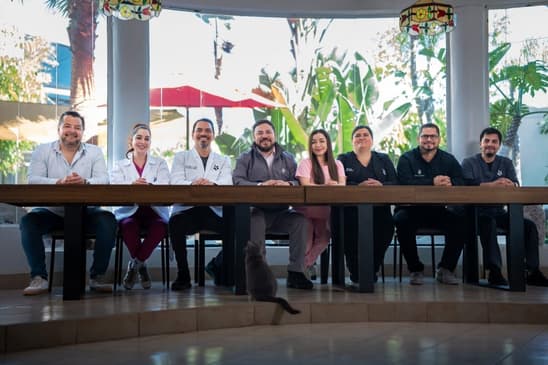
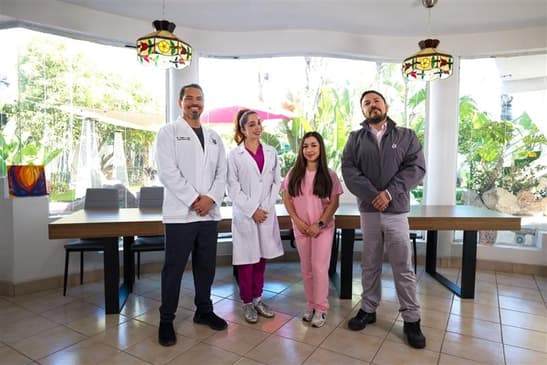
Who Will Care for You at New Path Ibogaine
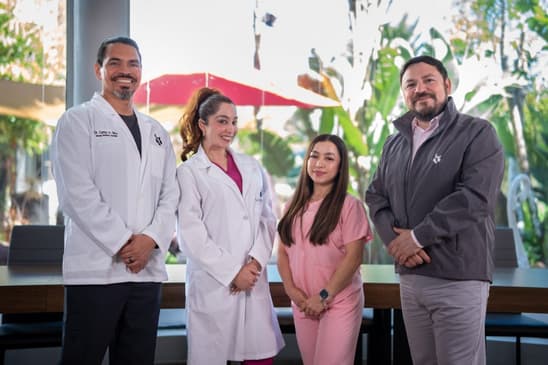
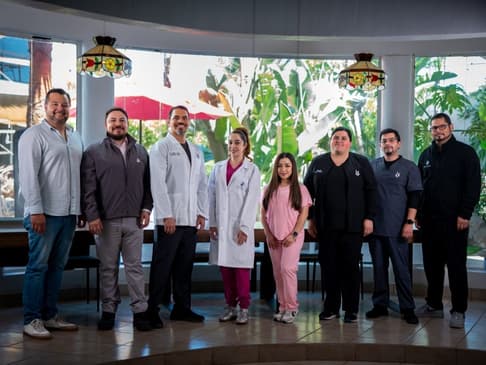
Clinic teams change over time, and names can differ between sources. Before you pay anything, I recommend asking the clinic to confirm in writing which physician will be responsible for your screening, your treatment day and your discharge.
What I Recommend You Verify Before Paying
- Each treating physician’s name and cédula in Mexico’s national professional registry.
- The facility’s health authority operating permit for the Baja Malibu address.
- The name of the hospital used for emergency transfers and the typical transfer time.
- Whether a physician is physically on site for the full night after your dose.
- Your complete medication list reviewed in writing, with a clear taper plan if needed.
- A written itemized quote showing length of stay, inclusions and extension costs.
Patient Stories: What They Can and Cannot Tell You
The clinic shares a number of patient testimonials and online reviews. Several people describe feeling safe and cared for, praise the nursing staff and Dr. Silva, and report that cravings disappeared. One family member writes that her husband’s urge to drink and his depression lifted after a week-long stay, and another former patient reports being drug-free about five months after treatment.
These stories tell you something useful about the atmosphere, communication and staff warmth. They cannot tell you how many patients relapsed, how many had complications, or how outcomes compare with other treatments. Stories are usually shared by people who did well, follow-up is often short, and many patients also received counseling, nutrition support or hyperbaric therapy at the same time, which makes it hard to know what helped.
You may also notice different numbers depending on where you look: the clinic cites more than 3,700 patients treated since 2010, experience figures ranging from 14 to more than 25 years, and a 97% satisfaction figure. None of these is independently audited, so I would ask how each figure was measured.
Risks of Ibogaine Therapy You Should Understand
I want to be direct with you here. Ibogaine and its long-lasting metabolite, noribogaine, can block potassium channels in the heart and prolong the QT interval, which can trigger a dangerous rhythm called torsades de pointes. A 2026 review in the journal Addiction notes that these events have occurred at therapeutic doses and in people without known heart disease, and laboratory research helps explain why some cardiac events appear several days after a dose. Monitoring reduces risk but does not remove it.
The evidence of benefit is promising in places but still early. Much of it comes from observational and open-label studies. The 2024 Stanford study in 30 Special Operations veterans with mostly mild brain injuries reported large improvements in disability, PTSD, depression and anxiety, but it had no control group, used magnesium alongside ibogaine, and took place at a different clinic, so its results cannot be assumed to apply here.
| Time period | Potential concerns | Questions to ask |
|---|---|---|
| Treatment day | QT prolongation and life-threatening arrhythmias, low heart rate, low blood pressure, severe nausea and vomiting, loss of coordination, intense and sometimes distressing visions, seizures in rare reports. | How long will I be on continuous EKG? What QT value stops treatment? Who can defibrillate and give emergency drugs at 3 a.m.? |
| First days to weeks | Delayed heart-rhythm changes while noribogaine remains in the body, fatigue, insomnia, low mood or emotional instability, return of withdrawal in long-acting opioid users, and very high overdose risk if opioids are used after tolerance drops. | How many days of monitoring follow the dose? When is it safe to fly or drive? Will I leave with naloxone and an overdose plan? |
| Long term | Relapse, which remains common after any short-term program; unresolved mental health symptoms; and uncertain effects for neurological conditions. | What aftercare is arranged at home? How does the clinic track outcomes at 3, 6 and 12 months? |
Seek urgent medical care if you experience fainting, a racing, pounding or irregular heartbeat, chest pain, shortness of breath, a seizure, confusion or severe vomiting during or after treatment, including in the days after you get home. If you have used opioids since treatment and someone is hard to wake, breathing slowly or has blue lips, give naloxone if available and call emergency services right away.
Your Journey Through Ibogaine Therapy at New Path Ibogaine
Starting Point
Name What You Need Help With
Write down your substance history, current medications, heart history and what you have already tried. This becomes the backbone of every safety conversation.
Initial Research
Understand Ibogaine’s Evidence and Risks
Read independent sources on cardiac risk and outcomes, and talk with your own doctor. Be cautious of any source that describes ibogaine as risk-free.
Before Travel
Get Screened at Home
Ask your physician for an ECG, blood tests and, if advised, a cardiology review. Share results with the clinic rather than relying only on testing after arrival.
Clinical Review
Share Your Records for Medical Review
The clinic’s team should review your ECG, labs, medications and psychiatric history. The clinic reports that admission usually follows within 2 to 4 weeks of assessment.
Decision Stage
Compare Risks, Alternatives and Costs
Weigh ibogaine against evidence-based options such as methadone, buprenorphine or naltrexone, and get your written quote, physician names and emergency plan before committing.
Planning Stage
Arrange Travel, Tapers and Support
Follow any medication taper only under medical supervision. Confirm airport pickup from San Diego or Tijuana, your passport and who will accompany you home.
Arrival in Tijuana
Intake and Baseline Testing
Expect a physical exam, 12-lead ECG, drug screening and blood work, plus preparation and counseling over the first day or two.
Treatment
The Monitored Ibogaine Session
Ibogaine is given privately under continuous monitoring. The introspective phase can last many hours, followed by a slower recovery sometimes called a “grey day.”
Early Recovery
Rest, Monitoring and Integration
The following days usually include rest, counseling and, depending on the program, physiotherapy or hyperbaric sessions. Ask when the clinic considers you cleared to travel.
After Returning Home
Protect Your Progress and Your Safety
Connect with local counseling or addiction care quickly. If you had opioid dependence, keep naloxone available and understand that your tolerance is now lower.
Travel-safety reminder: Do not plan to drive yourself back across the border in the days after treatment. Ask the clinic for a written discharge summary with your ECG results, and bring it to your own doctor. If you take any medication that affects heart rhythm after returning home, tell the prescriber that you recently received ibogaine.
What Ibogaine Therapy Costs at New Path Ibogaine
Published Program Prices in US Dollars
| Program | Published length | Price (USD) |
|---|---|---|
| Alcohol, depression, generalized anxiety, nicotine or neurology program | About 5 to 7 days | $7,800 |
| Heroin and opioids program; Parkinson’s program; multiple sclerosis | 7 days (opioids and Parkinson’s) | $8,250 |
| Opiate, methamphetamine or cocaine “Addiction Track + Detox” | 10 days | $11,500 |
| Fentanyl or kratom program | Up to 14 days | $13,750 |
| Suboxone (buprenorphine) program | Up to 21 days | $14,300 |
| Methadone program; extended Parkinson’s program | Up to 30 days (methadone); 14 days (Parkinson’s) | $16,500 |
| Parkinson’s long program | 28 days | $27,500 |
Starting prices vary between the clinic’s own sources: $7,500 on its website, $7,700 in its overview and $7,800 on its price schedule, and one program document lists a 5–7 day holistic program at $8,250. The clinic estimates comparable programs cost about $18,000 in Canada and $22,000 in the United States; these are its own estimates, and US residential rehab may be partly covered by insurance, while ibogaine generally is not. The clinic mentions reduced fees for first responders, full cash payment on arrival and joint bookings.
What to Confirm in Your Written Quote
| Cost area | Confirm as included or excluded | Why it matters |
|---|---|---|
| Screening and monitoring | The clinic reports ECG, physical exam, drug screen and blood work are included. | Repeat ECGs, echocardiograms or specialist reviews may not be. |
| Accommodation and meals | Private room and meals are included; private bathroom is program-dependent. | Companion stays and extra nights can add meaningfully to the total. |
| Extensions and complications | Additional days beyond the program are excluded unless medically necessary. | If you need hospital transfer or a longer stay, you need to know who pays. |
| Transport | Ground transport from San Diego or Tijuana airports is included. | Airfare, travel insurance and any visa costs are excluded. |
| Medications and aftercare | Take-home medications and outside specialist consultations are excluded. | Aftercare at home is essential and is often a separate cost. |
Before you pay a deposit, ask for a written, itemized estimate that states your program length, what is included, the daily rate for extensions and the refund policy if screening shows you are not a safe candidate.
Getting There
Most patients fly into San Diego International (SAN) or Tijuana International (TIJ). The clinic reports ground transfers from both airports; the drive from San Diego is roughly 35 minutes plus border wait times through San Ysidro or Otay Mesa.
Entry and Currency
A valid passport is the safest document for entry and return. Prices are quoted in US dollars, and the local currency is the Mexican peso. Check current entry rules with official government sources before you travel.
Language and Support
The clinic reports that its medical and therapeutic staff speak English and Spanish. Having a trusted companion nearby, and someone to travel home with you, is a sensible safety step.
Frequently Asked Questions About New Path Ibogaine
What treatments does New Path Ibogaine offer?
The clinic offers ibogaine-based residential programs for opioid, fentanyl, methadone, Suboxone, stimulant, alcohol, kratom and nicotine dependence, as well as programs for depression, anxiety, PTSD, Parkinson’s disease, multiple sclerosis and traumatic brain injury. Programs range from about 5 days to 30 days, and some include counseling, physiotherapy or hyperbaric oxygen sessions.
Is ibogaine a proven treatment for my condition?
No. Ibogaine is not approved by the FDA or by Mexican health regulators for any condition. Research in opioid dependence and a small 2024 Stanford study in veterans with brain injuries are encouraging, but most studies lack control groups. For Parkinson’s and multiple sclerosis, I recommend treating any program as experimental and asking the clinic for its own outcome data.
Is New Path Ibogaine licensed or accredited?
The operating company, New Path Medical Center, S.C., holds an active Mexican tax registration (RFC NPM2304214L0) for private general medical practice, and the clinic publishes professional license numbers for four physicians. I found no JCI or similar international accreditation. I recommend asking for the facility’s health authority operating permit and checking each doctor in Mexico’s Registro Nacional de Profesionistas.
Does licensing or monitoring guarantee that ibogaine is safe?
No. Even with ECG screening and continuous monitoring, ibogaine can cause life-threatening heart-rhythm problems, sometimes days after a dose and in people without known heart disease. Good monitoring and a fast emergency plan can reduce harm, but you should never be told the treatment is risk-free.
Who are the doctors at New Path Ibogaine?
The medical director is Carlos Silva, MD, an internal medicine specialist (cédula 8288763). The clinic also names Paula Cabrera, MD, Luis Garcia, MD, and Christian Ortiz, MD, with published cédula numbers, and its website lists Juan Valdez, MD, as a staff physician. You should confirm in writing which physician is responsible for your care and whether they are on site overnight.
How much does treatment cost and how long will I stay?
Published prices range from $7,800 for 5–7 day programs such as alcohol or anxiety, to $11,500 for 10-day opioid or stimulant tracks, $13,750 for fentanyl (up to 14 days), $14,300 for Suboxone (up to 21 days) and $16,500 for methadone (up to 30 days). Parkinson’s programs run from $8,250 to $27,500. Airfare, extra days and take-home medications are excluded.
Will insurance cover this, and what follow-up will I have?
The clinic itself notes that most US insurance plans do not cover ibogaine because it is not FDA-approved. The clinic reports post-treatment counseling and an aftercare plan, and veterans may be eligible for scholarship support through veterans’ foundations. I recommend arranging local counseling or addiction care before you travel, so support starts the week you return.
What should I ask about complications before I commit?
Ask what QT value would stop or delay your treatment, how many days you will be monitored after the dose, who can perform advanced cardiac life support overnight, which hospital receives emergency transfers and who pays for it. If you are dependent on opioids, ask how the clinic will help you avoid overdose after discharge, including whether you will leave with naloxone.
Ready to Explore Whether Ibogaine Therapy at New Path Ibogaine Is Right for You?
If you are seriously considering this step, the safest next move is a careful medical review. Share your ECG, recent blood work, medication list and substance history, and ask for a personalized assessment that covers your cardiac risk, the recommended program length, the responsible physician and a written, itemized estimate.
Request Your Personalized ReviewMedical Disclaimer
This information is for education only and is not medical advice, a diagnosis or a recommendation to undergo ibogaine therapy. Ibogaine is an unapproved, experimental substance that can cause fatal heart-rhythm disturbances, and it is a Schedule I controlled substance in the United States. Do not stop or change prescribed medications, including methadone, buprenorphine or antidepressants, without supervision from a qualified physician. If you are in crisis or thinking about harming yourself, contact local emergency services or a crisis line right away. Clinic details, staff and prices can change, so confirm every point directly with the clinic and your own doctor.
References and Verification Sources
- New Path Ibogaine — Clinic overview, medical team and services
- New Path Ibogaine — Official website care team roster
- New Path Ibogaine — Treatment prices by program
- New Path Ibogaine — Stimulant program inclusions and exclusions
- New Path Medical Center, S.C. — SAT tax registration certificate (PDF)
- Addiction (2026) — Ibogaine and cardiovascular complications: prolonged QT and ventricular arrhythmias
- Nature Medicine (2024) — Magnesium–ibogaine therapy in veterans with traumatic brain injuries
- SAMHSA — Evidence-based treatment options for substance use disorders
New Path Ibogaine Treatment Center for Addiction Recovery Certificates
Location

About Medical Center
- Speciality: Addiction Treatment
- Location: Av. Del Mar 22560 Baja Malibu, 22560 Tijuana, B.C., Mexico , Tijuana, Rosarito Beach , Mexico
- Overview: New Path in Rosarito Beach, Mexico offers professional Ibogaine-based addiction recovery care in a safe, supportive setting, helping patients begin a wellness-focused journey toward healing, transform














Share this listing