


Which Chronic Inflammatory Conditions Are Commonly Managed with Ayurveda?
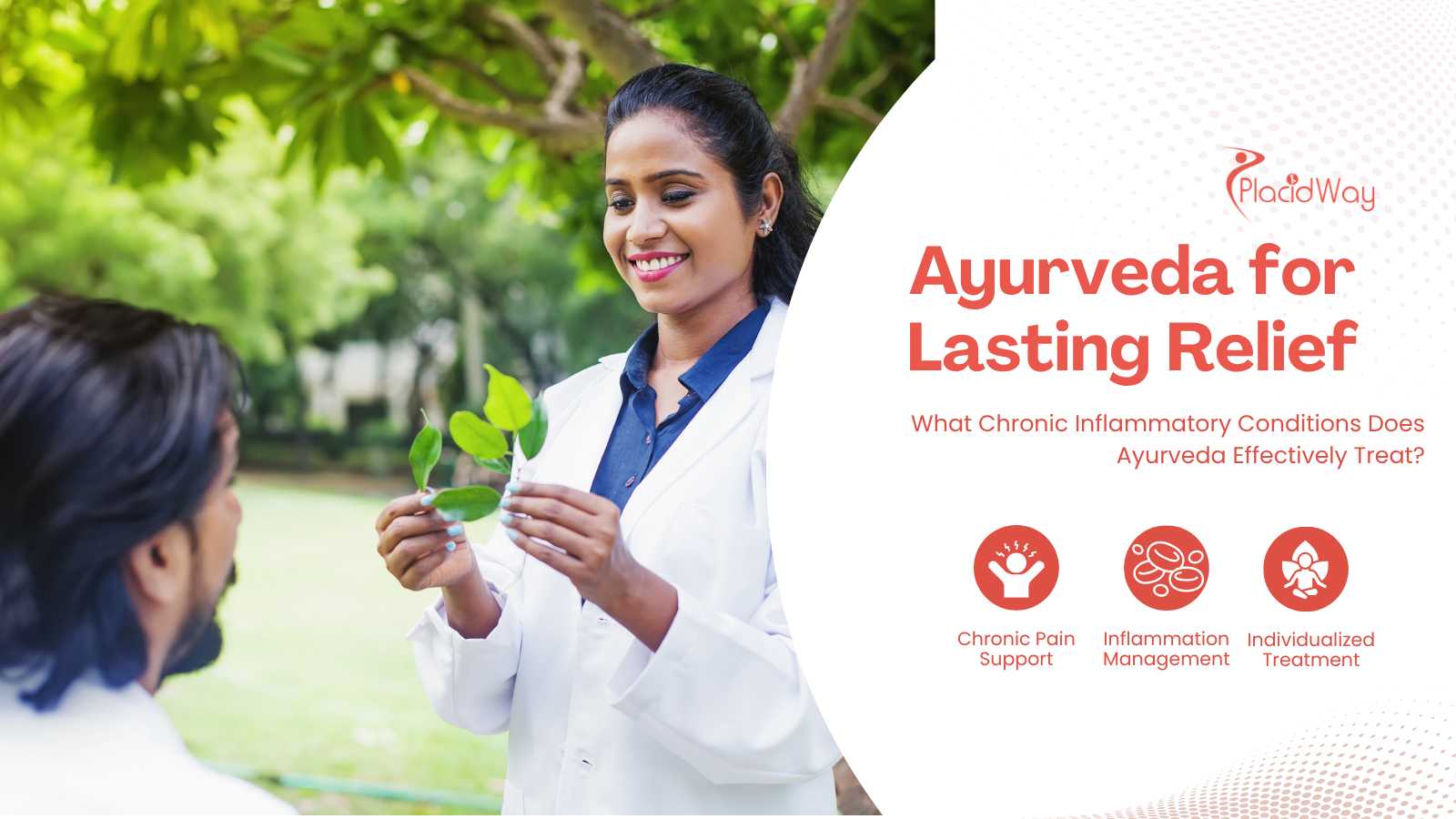
Key Takeaways: Holistic Inflammation Management
- Root Cause Resolution: Therapies identify and completely eliminate the underlying digestive triggers of systemic swelling rather than just masking the physical pain.
- Botanical Intervention: Powerful natural compounds like highly concentrated curcumin aggressively inhibit pro-inflammatory enzymes without damaging the stomach lining.
- Microbiome Repair: Treatment protocols heavily prioritize restoring intestinal mucosal integrity to prevent dangerous toxins from leaking into the central bloodstream.
- Cellular Detoxification: Intensive residential therapies actively purge trapped metabolic waste from the deep connective tissues and joint capsules.
- Global Accessibility: Patients frequently explore medical tourism globally to access authentic, highly affordable residential holistic care.
How does Ayurveda define and approach chronic inflammation?
In this ancient medical system, optimal health relies entirely on the balanced function of the three primary biological energies, known as doshas. When a patient presents with chronic inflammatory symptoms like red, swollen joints or severe skin rashes, practitioners immediately identify a massive imbalance in the Pitta dosha. This specific dosha governs all metabolic transformations, heat regulation, and inflammatory responses within the human body.
This excess heat does not occur spontaneously. It is almost always preceded by the accumulation of a highly sticky, toxic byproduct called ama. When the central digestive fire becomes sluggish due to poor dietary choices or chronic emotional stress, food is not metabolized correctly. The resulting toxic sludge permeates the intestinal wall, enters the circulatory system, and deeply lodges itself into vulnerable tissues, triggering a relentless immune response.
Therefore, the clinical approach to treating any inflammatory disease is two-fold. First, the practitioner must aggressively reignite the digestive fire to stop the continuous production of new toxins. Second, they must deploy specific cooling botanical remedies and specialized physical therapies to dislodge and eliminate the existing toxic buildup from the affected organs and joint capsules.
What role does gut health play in Ayurvedic inflammation treatment?
Gut health is considered the absolute foundation of all physical well-being in Ayurvedic medicine. Practitioners believe that chronic systemic inflammation originates exclusively from a severely compromised digestive tract that leaks toxins into the bloodstream.
Modern gastroenterology has recently embraced the concept of intestinal permeability, but this holistic system identified the exact same biological mechanism thousands of years ago. The gastrointestinal tract serves as the primary physical barrier between the outside environment and your sterile internal bloodstream. When this delicate mucosal lining becomes inflamed and damaged, microscopic gaps develop between the intestinal cells.
Through these gaps, undigested food proteins, aggressive bacterial endotoxins, and metabolic waste slip directly into systemic circulation. The immune system instantly recognizes these rogue particles as highly dangerous foreign invaders and launches a massive, widespread inflammatory attack. Over time, this constant state of immune hypervigilance exhausts the body and manifests as severe chronic pain, profound fatigue, and debilitating autoimmune conditions.
Healing this damaged mucosal barrier is the primary objective of any holistic intervention. Clinicians prescribe easily digestible, nutrient-dense meals alongside highly specific herbal formulations that coat and soothe the intestinal wall. By totally sealing these microscopic leaks, the practitioner effectively shuts off the main valve supplying fuel to the systemic inflammatory fire.
Which Ayurvedic herbs are most effective for joint inflammation?
- Turmeric Root: Contains highly active curcuminoids that scientifically block the COX-2 inflammatory pathways, providing intense pain relief comparable to modern non-steroidal anti-inflammatory drugs.
- Boswellia Extract: Also known as Indian Frankincense, this potent resin specifically targets and significantly reduces the degradation of glycosaminoglycans, actively preventing the destruction of vital joint cartilage.
- Ashwagandha: This premier adaptogenic root strongly modulates the immune system response and rapidly lowers circulating cortisol levels, directly mitigating stress-induced autoimmune flare-ups.
- Guggulu Resin: Extracted from the Mukul myrrh tree, it powerfully scrapes away hard, crystallized toxins from deep within the joint spaces while simultaneously improving local blood circulation.
- Ginger Rhizome: Functioning as a potent systemic circulatory stimulant, it effectively drives these healing botanical compounds deep into the peripheral tissues and oxygen-starved joint capsules.
Can Ayurvedic medicine effectively manage Inflammatory Bowel Disease?
Conditions like Crohn's disease and ulcerative colitis represent the absolute extreme end of digestive inflammation. In holistic pathology, these devastating diseases indicate that the internal digestive fire has become erratic and the protective mucosal layers have been entirely burned away. Conventional medicine frequently relies on aggressive biological immunosuppressants to force the disease into temporary remission.
The holistic approach focuses intensely on tissue regeneration. Practitioners utilize highly mucilaginous plants like Licorice root, Slippery Elm, and pure Aloe Vera gel. These cooling botanicals create a physical protective barrier over the bleeding intestinal ulcers, shielding the raw tissue from harsh stomach acids and allowing rapid cellular regeneration to occur unhindered.
Furthermore, specialized medicated enemas, known as Basti, are frequently administered directly into the colon. Using warm herbal oils, these retention enemas bypass the upper digestive tract entirely, delivering massive doses of concentrated anti-inflammatory medicine straight to the localized site of the severe colonic disease, providing immediate and profound symptomatic relief.
How does the Panchakarma detoxification process reduce systemic swelling?
Panchakarma is not a simple juice cleanse; it is a highly sophisticated, medically supervised, multi-week residential therapy. The process begins with an intensive preparatory phase called Snehana, where patients consume increasing doses of medicated clarified butter daily. This internal lubrication physically binds to fat-soluble environmental toxins and hard, crystallized inflammatory proteins trapped deep inside the muscle fascia and joint spaces.
Following deep tissue saturation, practitioners utilize intense thermal therapies, including herbal steam baths and vigorous synchronized massages. This massive application of external heat actively dilates the peripheral blood vessels, melting the mobilized toxins and forcing them to travel back through the circulatory system into the central gastrointestinal tract.
Once the toxic burden has been successfully gathered in the gut, the physician induces highly controlled therapeutic purgation using specific botanical laxatives. This final phase physically violently flushes the gathered inflammatory waste completely out of the body. Patients consistently report feeling remarkably lighter, experiencing vastly improved joint mobility, and enjoying a total cessation of chronic, widespread tissue swelling immediately following the procedure.
What dietary modifications does Ayurveda recommend for reducing heat?
- Eliminating Nightshades: Vegetables like tomatoes, eggplants, bell peppers, and white potatoes contain toxic alkaloids that frequently trigger severe joint pain and must be strictly avoided during active flare-ups.
- Utilizing Cooling Spices: Instead of heavy, heating chilies and raw garlic, cooking should heavily feature cooling, digestion-enhancing spices like fresh coriander, sweet fennel, and green cardamom.
- Avoiding Fermented Foods: Highly acidic and fermented foods, including heavy yogurts, aged cheeses, and commercial vinegars, aggressively increase blood heat and worsen existing inflammatory skin conditions.
- Prioritizing Cooked Meals: Raw salads are incredibly difficult for a compromised gut to break down. Lightly steaming or sautéing vegetables pre-digests the tough cellular fibers, saving massive amounts of metabolic energy.
- Maintaining Hydration: Drinking abundant room-temperature water infused with fresh mint or cucumber actively flushes acidic metabolic waste through the kidneys, keeping the internal environment highly alkaline.
How does chronic stress contribute to physical inflammation in Ayurveda?
Modern science clearly demonstrates that psychological trauma and chronic daily anxiety trigger the adrenal glands to flood the bloodstream with high levels of cortisol. This primitive survival mechanism instantly suppresses non-essential bodily functions, including optimal digestion and cellular repair. Holistic medicine recognizes this exact phenomenon as a severe derangement of the Vata energy, which governs the entire central nervous system.
When the nervous system remains locked in a hyper-aroused state, the intestinal walls physically constrict. This severe constriction halts peristalsis, causing food to stagnate and rot in the digestive tract. The resulting fermentation produces massive amounts of inflammatory gas and toxic byproducts, proving that emotional distress directly manufactures tangible physical disease.
To break this devastating loop, practitioners never treat physical pain in isolation. Comprehensive protocols always mandate the daily integration of targeted breathwork and specific yoga postures. These somatic interventions manually stimulate the vagus nerve, forcing the body out of the inflammatory fight-or-flight mode and actively restoring the biological conditions required for deep tissue healing.
Can Ayurvedic therapies replace conventional anti-inflammatory drugs?
It is highly dangerous to abruptly discontinue prescribed pharmaceutical medications, particularly powerful corticosteroids or biologics used for severe autoimmune diseases. Stopping these drugs suddenly can trigger massive, life-threatening rebound inflammation that can permanently damage vital organ structures. Integrative holistic care deeply respects the immediate stabilizing power of modern pharmacology.
The ideal approach involves utilizing traditional botanical therapies alongside conventional prescriptions initially. As the holistic interventions begin to heal the gut lining, reduce systemic toxic load, and actively cool the inflammatory pathways, the patient's baseline health significantly improves. The pharmaceutical drugs simply begin to work better, often allowing the prescribing physician to naturally lower the required dosage.
Over a period of several months, as the root causes of the disease are methodically dismantled, many patients find they require fewer and fewer chemical interventions to remain entirely pain-free. This slow, collaborative tapering process ensures absolute patient safety while steadily migrating toward a life sustained by natural resilience rather than chemical suppression.
How long does it take to see results from Ayurvedic inflammation protocols?
Patients typically experience a noticeable reduction in acute pain and swelling within four to six weeks of strict protocol adherence. However, fully reversing deep-seated chronic inflammation often requires three to six months of continuous, dedicated therapy.
Because holistic medicine focuses entirely on resolving the foundational root cause of the illness rather than chemically numbing the surface symptoms, the healing timeline is inherently slower than popping a pharmaceutical painkiller. The body requires significant time to physically rebuild damaged mucosal linings and flush out years of accumulated metabolic waste from the deep connective tissues.
During the initial month of dietary modification and botanical supplementation, patients generally notice improved digestion, better sleep quality, and a mild decrease in morning joint stiffness. This initial phase stabilizes the rapid progression of the disease. The profound, structural healing occurs during the subsequent months as the cellular environment becomes highly oxygenated and thoroughly detoxified.
For individuals suffering from diseases that have progressed unchecked for decades, committing to an intensive residential Panchakarma retreat can drastically accelerate this timeline. By engaging in daily, aggressive purification therapies, months of slow dietary progress can often be consolidated into a few highly transformative weeks.
Why do patients seek medical tourism globally for Ayurvedic treatment?
Patients utilize global medical tourism to access authentic, comprehensive Ayurvedic clinics that offer immersive residential care. These international wellness centers provide specialized treatments at a significantly lower cost than domestic alternative healthcare options.
- Authentic Expertise: Traveling allows patients to consult directly with lineage-trained physicians who possess decades of highly specialized clinical experience in managing severe chronic diseases.
- Immersive Environments: Medical tourism globally removes the patient entirely from their stressful daily routine, placing them in a tranquil, highly controlled environment where true psychological and physical healing can occur uninterrupted.
- Financial Accessibility: The total Ayurvedic treatment cost internationally is often a fraction of what a few fragmented alternative therapy sessions would cost in Western medical markets, making intensive multi-week programs highly affordable.
- Comprehensive Modalities: An elite Ayurvedic clinic internationally houses all necessary therapies from daily massages and fresh botanical pharmacies to specialized yoga instruction—under one single roof.
- Fresh Botanical Sourcing: Facilities located in diverse tropical climates harvest medicinal plants fresh daily, guaranteeing maximum pharmacological potency compared to dried, imported supplements that sit on retail shelves for months.
Frequently Asked Questions About Ayurvedic Healing
Is Ayurvedic medicine safe for severe autoimmune conditions?
When administered by a highly qualified and board-certified practitioner, Ayurvedic medicine is exceptionally safe for severe autoimmune conditions. It focuses on modulating the immune response and lowering systemic inflammation naturally, avoiding the harsh immunosuppressive side effects commonly associated with conventional pharmaceutical interventions.
What is the average Ayurvedic treatment cost internationally?
The overall financial investment varies heavily based on the facility and program duration. Comprehensive residential programs typically range between two thousand and five thousand dollars for a three-week immersive stay, which generally includes all clinical consultations, daily therapies, specialized meals, and customized herbal formulations.
Can I combine Ayurveda with my current prescription medications?
Yes, integrative medicine models actively encourage combining these holistic protocols with necessary conventional prescriptions. However, absolute transparency with both your prescribing physician and your holistic practitioner is mandatory to prevent any potential herb-drug metabolic interactions within the liver.
Do global medical tourism platforms verify Ayurvedic practitioners?
Reputable platforms conduct exhaustive credential verification on all affiliated holistic centers. They rigorously check educational diplomas, specialized board certifications, and clinical safety records to ensure patients only receive care from top-tier, internationally accredited healthcare professionals.
Are Ayurvedic herbal supplements regulated for heavy metal safety?
Elite wellness centers strictly utilize botanical pharmacies that comply with international Good Manufacturing Practices. These rigorous manufacturing standards require continuous third-party laboratory testing to guarantee that every herbal formulation is entirely free from heavy metals, toxic pesticides, and bacterial contaminants.
How does a specialized Ayurvedic clinic internationally differ from a standard spa?
A standard spa provides temporary physical relaxation through cosmetic massages. A specialized clinical facility functions as a comprehensive medical center, utilizing advanced diagnostics, targeted botanical pharmacology, and intense therapeutic detoxification procedures designed to permanently reverse complex chronic diseases.
What are the side effects of intensive Panchakarma therapy?
During the active purging phases of Panchakarma, patients frequently experience a temporary healing crisis. This biological phenomenon can cause mild fatigue, sudden headaches, and emotional volatility as deeply stored cellular toxins are rapidly released into the bloodstream before final physical elimination.
Does insurance cover Ayurvedic treatments for chronic pain?
Coverage relies entirely upon your specific insurance provider and policy structure. While conventional physical therapies are routinely covered, immersive holistic retreats and botanical medicine consultations are frequently classified as elective out-of-pocket medical expenses.
Can Ayurveda cure chronic skin conditions like psoriasis?
While there is no permanent cure for autoimmune-driven psoriasis, Ayurvedic protocols are incredibly effective at inducing long-term remission. By aggressively healing the digestive tract and purifying the blood through clinical detoxification, practitioners significantly reduce epidermal cell turnover and skin plaque formation.
What diagnostic methods do Ayurvedic doctors use to detect inflammation?
Practitioners employ highly sophisticated traditional diagnostics, including intricate radial pulse assessment, detailed tongue examination, and comprehensive lifestyle profiling. These non-invasive techniques allow doctors to detect subtle inflammatory imbalances in specific organ systems long before they manifest on conventional blood panels.
Discover Authentic Healing Without Borders
* Responses typically within 24 hours. Complete privacy guaranteed.
References
- Ayurvedic Medicine: In Depth – National Center for Complementary and Integrative Health
- WHO Global Centre for Traditional Medicine – World Health Organization
- Ayurvedic Management of Rheumatoid Arthritis – PubMed
- Curcumin: A Review of Its Effects on Human Health – National Center for Biotechnology Information
- Adaptogenic and Anxiolytic Effects of Ashwagandha – National Institutes of Health
- Leaky Gut and Autoimmune Diseases – PubMed
.png)
-–-Comprehensive-Regenerative-Medicine-Approach-at-Genoma-Health.jpg)




.png)









Share this listing