


Who Benefits Most from a Spiritual Retreat and What Can You Realistically Expect?
People facing severe burnout, grief, life transitions, or existential crises should attend a spiritual retreat. Realistically, they can expect profound emotional regulation, renewed mental clarity, deep inner peace, and a restored sense of purpose.
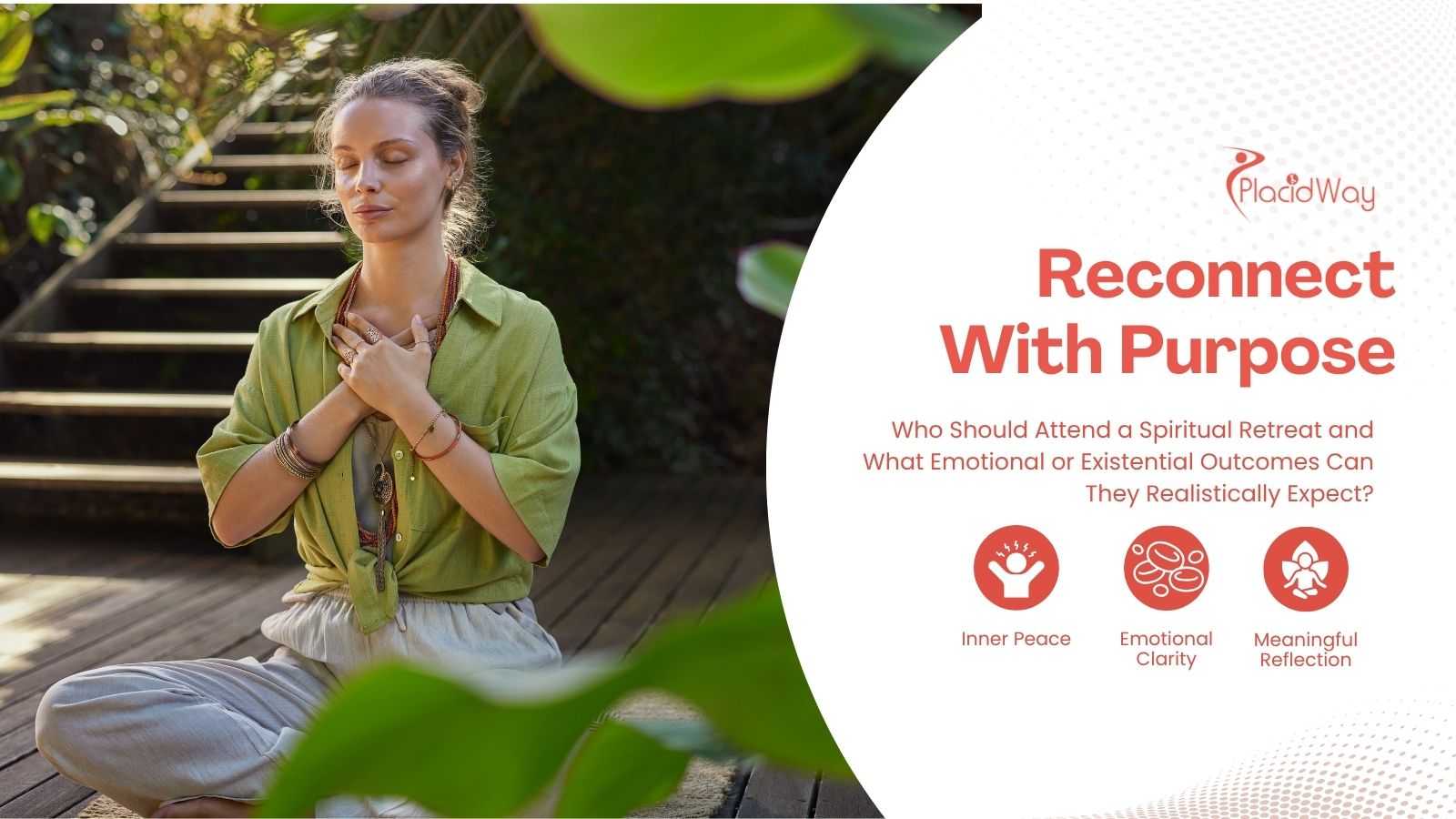
Key Takeaways: Healing and Transformation
- Nervous System Reset: Attendees experience a fundamental shift from chronic fight-or-flight stress into a state of deep biological rest.
- Unprocessed Trauma Release: Safe, structured environments allow individuals to process suppressed emotions without daily life distractions.
- Existential Realignment: Retreats provide the silence necessary to question core values and pivot toward a more authentic life path.
- Sustainable Coping Tools: Participants leave with actionable mindfulness techniques to prevent future emotional exhaustion and burnout.
What are the primary signs that someone needs a spiritual retreat?
The most prominent signs include chronic emotional exhaustion, a persistent feeling of emptiness despite external success, and an inability to disconnect from anxious thought loops. These indicators suggest the nervous system is overwhelmed.
When an individual pushes through chronic stress for prolonged periods, their emotional bandwidth eventually collapses. This manifests as severe compassion fatigue, irritability, and a profound disconnection from activities that once brought immense joy. A person might have a thriving career and stable family but still wake up feeling a hollow sense of dread. This disconnect is the primary indicator that an existential reset is urgently required.
Another major sign is the inability to tolerate silence. If someone constantly needs podcasts, social media, or background noise to drown out their internal thoughts, they are likely avoiding unprocessed emotional pain. A structured retreat removes these digital crutches, providing a safe therapeutic container to face these avoided feelings.
Finally, individuals navigating massive life transitions such as divorce, career loss, or the death of a loved one are prime candidates. Society rarely affords people the adequate time to grieve or process major identity shifts. Retreats carve out this essential space, allowing the psyche to catch up with sudden external reality changes.
How does a spiritual retreat differ from a standard wellness vacation?
While a wellness vacation focuses on physical pampering and temporary escape, a spiritual retreat requires active emotional work. Retreats dismantle ego defenses and demand deep introspection to foster permanent psychological growth.
| Feature | Standard Wellness Vacation | Spiritual Retreat |
|---|---|---|
| Primary Goal | Temporary relaxation and physical pampering | Deep emotional healing and psychological transformation |
| Daily Schedule | Flexible, focused on leisure and entertainment | Highly structured, focused on workshops and meditation |
| Mental Engagement | Escapism and distraction from daily stressors | Active confrontation of internal fears and emotional blocks |
A standard resort trip might involve massages, cocktails by the pool, and sleeping in. You return feeling rested, but the core issues causing your stress remain entirely unaddressed. The moment you check your work email, the relaxation instantly vanishes. A spiritual retreat is not about escaping reality; it is about building the emotional fortitude to handle reality better.
Retreats strip away comforts to facilitate growth. Participants might wake up at dawn, engage in hours of silent reflection, and participate in intensive group therapy circles. This rigorous schedule prevents the mind from falling back into lazy, automated distraction patterns.
The ultimate difference lies in the integration phase. Wellness vacations end when the flight lands. Spiritual retreats provide participants with a newly rewired perspective and specific behavioral tools that continue to positively influence their daily lives for years to come.
Clinical studies indicate that immersive mindfulness retreats can physically alter the brain structure. Participants often show decreased gray matter density in the amygdala, the brain area responsible for fear and anxiety, after just one week of intensive practice.
Can attending a spiritual retreat help resolve deep existential crises?
Yes, retreats provide the optimal environment for resolving existential dread. By forcing individuals to confront the present moment without societal labels, they discover a profound sense of self-worth that is not tied to productivity or status.
An existential crisis usually occurs when the narratives we built our lives around suddenly collapse. This could be realizing a prestigious career feels meaningless, or confronting mortality after a health scare. Modern society offers no structured space to process these heavy philosophical burdens, leading to severe depression and anxiety.
During a retreat, facilitators guide participants through specialized inquiries that dismantle false identities. When you remove your job title, your relationship status, and your financial bracket, what remains? Facing this void is initially terrifying, but it ultimately leads to massive psychological liberation.
Participants realistically achieve a state of radical acceptance. They stop fighting the natural uncertainties of human existence and learn to find deep meaning in simple, present-moment awareness. This paradigm shift permanently cures the chronic feeling that life is a race to be won.
What emotional release techniques are commonly used during these retreats?
Practitioners utilize somatic breathwork, sound healing therapy, and guided bioenergetic exercises. These somatic modalities bypass the logical brain to physically dislodge trapped trauma and stagnant emotional energy from the body.
- Conscious Connected Breathwork: This intense breathing pattern alters the blood pH and temporarily suppresses the default mode network in the brain, allowing suppressed memories and profound emotional grief to surface and be released physically through crying or shaking.
- Sound Bath Therapy: Utilizing crystal bowls and gongs, specific sound frequencies interact with the brainwaves. This lowers cortisol levels and induces a deep theta-state trance where subconscious emotional healing occurs organically.
- Somatic Movement: Rather than talking about trauma, participants are guided to move their bodies intuitively. This helps discharge the fight-or-flight energy that gets chemically locked in the muscles during traumatic events.
- Vocal Toning: Using the voice to emit specific vibrations helps clear blockages in the throat and chest. It empowers individuals who have historically felt silenced to reclaim their personal power and emotional expression.
- Journaling Protocols: Following somatic release, targeted writing prompts help the cognitive brain make logical sense of the emotional shifts, solidifying the psychological breakthroughs.
How does silence and solitude contribute to psychological healing?
Silence entirely eliminates the energetic drain of social performance and small talk. This profound solitude allows the nervous system to rest deeply while bringing suppressed subconscious thoughts into clear conscious awareness.
In our daily lives, we expend massive amounts of psychological energy managing how others perceive us. We constantly filter our words, monitor our body language, and adapt to social expectations. A silent retreat removes this exhausting burden completely. When you no longer have to perform, the mind can finally rest.
Initially, this silence is incredibly uncomfortable. Without external distractions, the brain desperately generates chaotic thoughts, anxieties, and memories. However, if a participant stays with the process, this mental storm eventually runs out of energy. The internal dialogue slows down, creating a profound spaciousness in the mind.
This spaciousness is where true psychological healing occurs. Participants develop a healthy detachment from their thoughts, realizing they are the observer of their anxieties rather than the victim of them. This experiential realization drastically reduces long-term reactivity to stress.
Is a spiritual retreat appropriate for someone dealing with profound grief?
Yes, attending a retreat is highly therapeutic for individuals processing profound grief. It provides a compassionate, non-judgmental container where grief can be fully felt and honored without the pressure to quickly move on.
Western culture frequently pathologizes grief, expecting individuals to return to peak productivity just weeks after a devastating loss. This forces people to swallow their sorrow, which eventually manifests as chronic physical illness or severe depression. Retreats counter this by offering dedicated space specifically for mourning.
Facilitators trained in trauma and grief work guide participants through the heavy emotions of loss. Being surrounded by a supportive community or immersed in the quiet stillness of nature helps individuals process the physical heaviness of a broken heart. They learn that grief is not something to cure, but an expression of love to be integrated.
Realistically, a retreat will not make the sadness disappear. However, the outcome is a transformation of the grief. Participants leave feeling less destroyed by their loss and more capable of carrying it forward while still finding joy and meaning in their continuing lives.
What neurobiological changes occur during an intensive mindfulness retreat?
Intensive mindfulness directly rewires the brain through neuroplasticity. It strengthens the prefrontal cortex for better emotional regulation while simultaneously shrinking the amygdala, dramatically reducing the physiological fear response.
- Cortisol Reduction: The absence of daily triggers combined with deep breathing protocols drastically lowers circulating stress hormones, reducing systemic inflammation in the body.
- Dopamine Baseline Reset: Removing digital screens and hyper-palatable foods allows the brain to reset its dopamine receptors, restoring the ability to find joy in simple, natural experiences.
- Default Mode Network Deactivation: Meditation quiets the brain network responsible for ego, rumination, and self-criticism, leading to a profound sense of unity and peace.
- Vagal Tone Improvement: Somatic practices stimulate the vagus nerve, which dictates how quickly the body can calm down after a stressful event, leading to lifelong emotional resilience.
- Increased Brain Alpha Waves: Retreat participants show sustained increases in alpha brain waves, which are associated with deep relaxation, creativity, and a calm, focused presence.
How do participants integrate their retreat experiences back into daily life?
Successful integration involves anchoring the retreat breakthroughs into small, daily micro-habits. Participants must proactively set firm boundaries and maintain a simplified routine to protect their newly regulated nervous system.
The most challenging part of any spiritual journey is the return home. Re-entering a chaotic household or a high-pressure work environment can quickly erase the peace gained during the retreat if proper integration protocols are not followed. The key is not to attempt massive life overhauls immediately, but to implement tiny, non-negotiable anchors.
For instance, instead of trying to meditate for an hour a day, a participant might commit to ten minutes of breathwork before checking their morning emails. They might establish firm digital boundaries, such as no screens in the bedroom, to protect their circadian rhythms and maintain mental clarity.
Furthermore, highly reputable retreat programs offer post-retreat virtual coaching circles. This community accountability helps individuals navigate real-world triggers while applying their new coping tools. Realistically, integration is a lifelong practice of continually choosing awareness over automated stress responses.
Why Choose PlacidWay for booking a spiritual and wellness retreat?
PlacidWay connects individuals with globally accredited wellness centers that offer highly vetted, safe, and profoundly transformative spiritual programs. We ensure total transparency and personalized clinical coordination for your mental health journey.
- Rigorous Facility Vetting: We exclusively partner with holistic centers that employ certified psychological professionals and trained somatic facilitators, ensuring your emotional vulnerability is handled with absolute clinical safety.
- Complete Financial Transparency: Our platform guarantees clear upfront pricing for comprehensive retreat packages. You will understand all costs regarding therapies, workshops, and holistic medical consultations without hidden fees.
- Dedicated Patient Advocacy: Our support team expertly manages all direct clinic communications, ensuring your specific emotional triggers and psychological history are clearly understood by the wellness directors before you arrive.
- Tailored Program Matching: Because emotional needs vary drastically, we meticulously match you with retreats that specialize in your specific goals—whether that is severe burnout recovery, trauma release, or deep meditative silence.
- Seamless Medical Coordination: For retreats that integrate alternative medical therapies alongside spiritual practices, we securely transfer your medical records to international wellness boards to ensure absolute physiological safety.
Frequently Asked Questions About Spiritual Retreats
How long should a spiritual retreat last to see real emotional benefits?
To achieve lasting emotional benefits, experts generally recommend a minimum of three to seven days. This duration allows the nervous system enough time to down-regulate from chronic stress and enter a state of deep restorative rest.
Do you need to follow a specific religion to attend a spiritual retreat?
No, spiritual retreats are overwhelmingly non-denominational and welcome individuals of all belief systems. The focus is strictly on personal inner growth, emotional healing, and mindfulness rather than adhering to any specific religious dogma.
What happens during a silent meditation retreat?
Participants take a vow of noble silence, communicating only when absolutely necessary with instructors. Days are structured around sitting meditation, walking meditation, and mindful eating, allowing the mind to completely detach from social performance.
Can a spiritual retreat cure clinical depression or severe anxiety?
While highly beneficial for emotional regulation, retreats are not a substitute for clinical psychiatric care. They offer excellent adjunctive support by teaching mindfulness tools, but severe clinical conditions require ongoing professional medical management.
What should a beginner expect at their first spiritual retreat?
Beginners should expect an adjustment period characterized by physical restlessness and mental resistance. As the days progress, this resistance typically gives way to profound relaxation, emotional release, and a deep sense of internal quiet.
How does a digital detox enhance the existential outcomes of a retreat?
Removing smartphones and digital distractions stops the constant dopamine spikes associated with modern technology. This sensory deprivation forces individuals to confront their internal landscape, leading to genuine existential reflection and clarity.
Are emotional breakdowns common during spiritual retreats?
Emotional breakthroughs, which can look like breakdowns, are incredibly common and entirely welcomed. Stripping away daily distractions allows suppressed grief, anger, and trauma to surface safely so they can be processed and finally released.
How do plant-based diets at retreats support emotional regulation?
Nutrient-dense, plant-based diets stabilize blood sugar and reduce systemic inflammation. Because the gut microbiome heavily influences neurotransmitter production, this clean diet directly supports stable moods and enhanced mental clarity.
What is the difference between an individual and group spiritual retreat?
Individual retreats offer complete solitude and self-directed pacing for profound introspection. Group retreats provide a structured itinerary, guided workshops, and the powerful psychological benefit of shared vulnerability and communal support.
How much does a typical spiritual retreat cost?
Costs range significantly based on luxury level and duration, typically falling between $1,000 and $5,000. This investment usually covers holistic therapies, organic meals, wellness workshops, and specialized psychological coaching sessions.
Begin Your Journey to Inner Peace Today
* Responses typically within 24 hours. Complete privacy guaranteed.
References
- Mindfulness and Meditation – American Psychological Association (APA)
- Meditation: In Depth – National Center for Complementary and Integrative Health (NIH)
- The psychological and physiological effects of retreat experiences – National Center for Biotechnology Information
- Mental health: strengthening our response – World Health Organization (WHO)
- Effects of mindfulness retreats on emotional regulation – PubMed
- Caring for Your Mental Health – National Institute of Mental Health
.jpg)








Share this listing