


Ayurveda in India
Gen Z embraces tongue scraping and navel oiling as they offer natural, visually appealing holistic wellness. This viral trend has sparked massive global interest, leading many to seek authentic Ayurvedic treatment in India for deep healing.
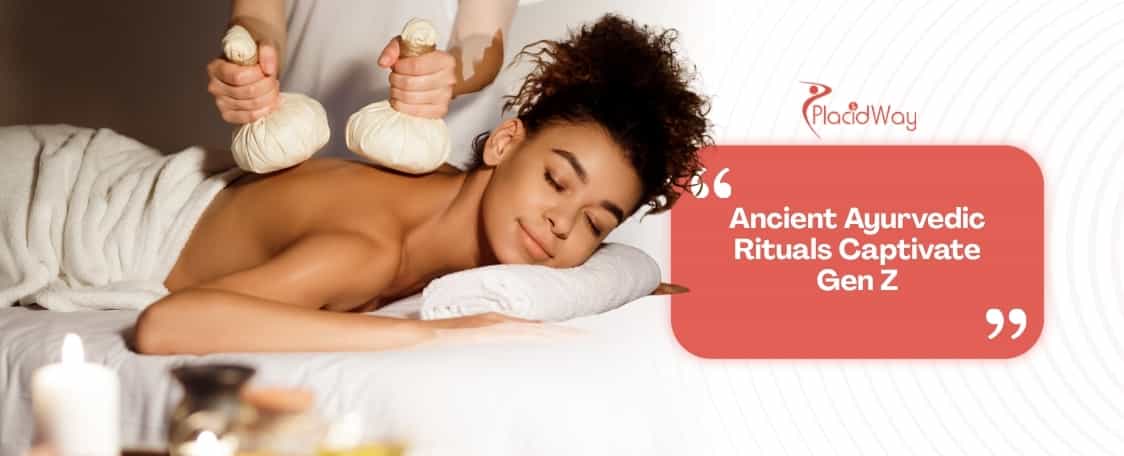
Key Takeaways: The Gen Z Holistic Wellness Movement
- Viral Origins: Simple routines like Jihwa Prakshalana (tongue scraping) have introduced millions to holistic care via social media algorithms.
- Root Cause Focus: Younger demographics are shifting away from quick chemical fixes in favor of treating the underlying bodily imbalances.
- Affordable Healing: Comprehensive retreat packages provide high-value medical care at a fraction of Western healthcare costs.
- Certified Expertise: Authentic centers utilize highly educated physicians holding university degrees in traditional medicinal sciences.
- Total Transformation: Programs combine customized diets, specialized bodywork, and mental wellness techniques for total rejuvenation.
Why is Gen Z traveling for authentic Ayurvedic treatment in India after seeing viral trends?
Social media platforms showcase the immediate benefits of traditional holistic rituals, prompting younger generations to seek deeper, medically supervised healing at its source. Traveling provides access to centuries-old expertise.
The digital age has fundamentally transformed how young adults approach their personal health. Videos demonstrating copper tongue scraping to remove morning toxins and navel oiling for digestive health have amassed billions of views online. These simple, highly visual practices serve as an accessible entry point into a much broader, ancient medical science. Gen Z is inherently skeptical of overly processed, pharmaceutical-heavy approaches to minor ailments, making the natural philosophy of Ayurvedic treatment in India incredibly appealing to their core values.
Once introduced to the basic concepts of balancing one's vital energies, many young adults realize that superficial at-home routines can only achieve so much. They begin seeking out profound detoxification protocols designed to reset their nervous systems and gut microbiomes. The chronic stress of hyper-connected modern life, combined with heavily processed diets, drives them to look for complete lifestyle overhauls rather than just aesthetic wellness trends.
Traveling directly to the source offers an unparalleled level of authenticity. In specialized retreat centers, patients are completely immersed in a healing environment that cannot be replicated in a Western city. They receive continuous monitoring from physicians whose families have practiced these medical sciences for generations, ensuring that the viral wellness practices they admired online are applied with deep clinical precision.
The practice of tongue scraping is known clinically as Jihwa Prakshalana. While it went viral recently for its aesthetic and breath-freshening benefits, traditional physicians use the tongue as a primary diagnostic map. By observing the location and color of the coating, doctors can pinpoint exactly which internal organs are currently accumulating digestive toxins.
What is the average Ayurvedic treatment cost in India for international patients?
The Ayurvedic treatment cost in India typically ranges from $500 to $3,000 per week, depending on the facility level. This affordable price usually covers consultations, daily therapies, specialized meals, and accommodation.
One of the most compelling reasons for the surge in young international visitors is the exceptional financial value. Western wellness retreats often charge exorbitant daily fees just for basic yoga and spa treatments. In contrast, comprehensive packages at specialized healing centers offer intensive, doctor-supervised medical care for a fraction of that price. These transparent pricing models allow young professionals to budget effectively for long-term health investments.
The pricing structure is heavily influenced by the type of facility chosen. Standard eco-retreats focusing on fundamental healing might sit at the lower end of the spectrum, providing clean, basic accommodations deeply connected to nature. Premium resort-style hospitals, which offer luxurious private villas, highly customized medicine compounding, and advanced modern diagnostics alongside traditional care, will command higher weekly rates.
To help you understand the financial planning required, here is a general breakdown of what patients can expect regarding the Ayurvedic treatment cost in India based on program duration and facility tier:
| Program Type & Duration | Standard Facility Cost | Premium Facility Cost |
|---|---|---|
| 7-Day Wellness Rejuvenation | $500 - $800 | $1,000 - $2,500 |
| 14-Day Intensive Panchakarma | $1,000 - $1,600 | $2,500 - $4,500 |
| 21-Day Chronic Illness Management | $1,500 - $2,400 | $4,000 - $7,000 |
What procedures are typically offered at an Ayurvedic treatment clinic in India?
A certified Ayurvedic treatment clinic in India provides personalized detoxification therapies, herbal oil massages, and dietary corrections. These clinics focus on balancing the body energies through comprehensive medical protocols.
Stepping into a specialized wellness center is entirely different from visiting a conventional day spa. The therapies are strictly prescribed by an attending physician following a rigorous pulse diagnosis. The goal is not merely relaxation, but the systemic removal of deep-seated metabolic waste. Common clinical procedures include:
- Abhyanga Therapy: A rhythmic full-body application of warm, medicated oils tailored to your specific metabolic type, designed to loosen toxins from deep muscle tissues.
- Shirodhara Protocol: A continuous, gentle pouring of customized herbal liquids over the forehead to profoundly calm the central nervous system and alleviate chronic anxiety.
- Swedana Treatments: Herbal steam therapies utilized immediately after oil applications to open the skin pores and facilitate the rapid sweating out of mobilized toxins.
- Nasya Procedures: The precise administration of medicated oils through the nasal passages to clear the sinuses, relieve migraines, and improve respiratory function.
- Basti Administration: Highly specialized herbal enemas that serve as the primary vehicle for balancing digestive disorders and flushing toxins from the lower intestines.
How does medical tourism in India enhance the traditional healing experience?
Medical tourism in India merges world-class healthcare infrastructure with ancient wellness traditions. Patients receive stringent medical oversight alongside authentic holistic therapies in highly structured, serene environments.
The robust framework supporting international healthcare travel ensures that patients receive the absolute highest standard of holistic care. Government initiatives actively promote the integration of traditional healing with modern hospitality and patient safety standards. This means you do not have to sacrifice comfort or clinical safety to experience deeply authentic ancient rituals.
Facilities catering to international wellness travelers employ extensive teams of fluent English-speaking professionals. This eliminates the anxiety of language barriers during critical health consultations. Furthermore, these premier centers often feature in-house diagnostic laboratories, allowing physicians to run standard blood panels alongside traditional pulse assessments, creating a perfectly bridged medical strategy.
The growth of the wellness sector means that the entire ecosystem is designed around patient recovery. From the moment you arrive, the stress of logistics is completely removed. Dedicated international patient coordinators handle everything from dietary communications with the kitchen staff to translating complex medical concepts, allowing you to focus entirely on your internal healing journey.
Navel oiling, known as Nabhi Chikitsa, is based on the anatomical concept that the navel contains the Pechoti gland, connecting over seventy thousand veins throughout the body. Applying specific herbal oils to the navel is clinically used to treat everything from severe menstrual cramps to chronic dry skin.
Is Ayurvedic treatment in India safe for international Gen Z wellness seekers?
Yes, undergoing Ayurvedic treatment in India is highly safe when performed at government-accredited facilities. Board-certified practitioners use standardized, rigorously tested herbal formulations to ensure complete patient safety.
Patient safety is the absolute highest priority at accredited healing centers. Before any therapy begins, patients undergo a thorough health evaluation that takes into account their complete Western medical history, existing prescriptions, and known allergies. This exhaustive preliminary screening ensures that the prescribed herbal treatments and physical therapies will not trigger adverse reactions or conflict with existing medications.
The government Ministry responsible for alternative health sciences strictly regulates the manufacturing processes of the herbal dispensaries used by these top-tier clinics. Medications are subjected to severe quality control measures, including heavy metal testing and bacterial screening, matching the stringency of modern pharmaceutical standards while maintaining natural efficacy.
During intense detoxification processes, physiological shifts are entirely expected. Because of this, patients are housed within the clinical grounds where nursing staff are available at all times. Doctors monitor blood pressure, hydration levels, and subjective wellbeing daily, making minute adjustments to treatment protocols to ensure the healing process remains perfectly gentle and overwhelmingly safe.
How long should patients stay for effective Ayurvedic treatment in India?
For significant health transformations, experts recommend staying between fourteen and twenty-one days for your Ayurvedic treatment in India. This duration allows the body to fully detoxify, reset, and absorb herbal benefits.
Healing a lifetime of accumulated stress and dietary imbalances cannot be achieved over a weekend. Traditional medical philosophy dictates that profound physical transformation requires time, patience, and a strictly phased approach. Here is why the recommended stay is longer than a typical vacation:
- The Preparation Phase: The first several days are dedicated to internal oleation. Patients consume specific amounts of medicated ghee to soften tissues and unbind lipid-soluble toxins from deep within the cells.
- The Mobilization Phase: Following internal preparation, daily external heat therapies and massages physically move the dislodged toxins toward the digestive tract for elimination.
- The Elimination Phase: The core Panchakarma treatments are administered to permanently flush the gathered impurities from the bodily systems.
- The Rejuvenation Phase: Once the body is clean, the final days focus on rebuilding immunity through powerful restorative herbs, specialized diets, and gentle yoga.
- The Integration Phase: Doctors use the final moments of your stay to educate you on how to sustain your new level of health once you return to your stressful modern environment.
What differentiates a commercial spa from an authentic Ayurvedic treatment clinic in India?
While spas focus purely on temporary relaxation, an authentic Ayurvedic treatment clinic in India operates as a medical facility. Clinics require detailed health diagnostics and prescribe clinical therapies to treat root causes.
A commercial day spa offers menus where clients arbitrarily pick their desired massage based on scent preferences. In an authentic medical facility, the patient has virtually no say in their daily treatment schedule. The attending physician dictates every oil used, every massage stroke applied, and every meal consumed based entirely on clinical necessity rather than luxury preferences.
The oils utilized in true clinical settings are profoundly different from the generic essential oils found in Western spas. Traditional medicated oils take weeks to brew in massive cauldrons, combining up to fifty different rare herbs boiled down into specific base oils. These concoctions are potent transdermal medicines designed to penetrate deep tissue layers and repair cellular damage, carrying distinct, earthy aromas.
Furthermore, behavioral discipline is enforced at clinical centers. While a spa might serve champagne alongside a massage, a clinical facility enforces strict dietary guidelines, digital detoxing, and mandated rest periods. The environment is engineered specifically for deep physiological repair, making it highly effective for reversing chronic conditions rather than just providing a temporary escape from daily life.
What should patients expect regarding diet during their Ayurvedic treatment in India?
Food is treated as primary medicine during any Ayurvedic treatment in India. Patients follow strict, customized vegetarian diets tailored to their specific metabolic type to aid the internal detoxification process.
Dietary modification is perhaps the most crucial element of your healing journey. You will not find heavy buffets, refined sugars, or processed ingredients. The culinary protocol is highly intentional, focusing on the following principles:
- Metabolic Customization: Meals are specifically formulated to balance your dominant energy forces. What heals one patient might harm another, so plates are highly individualized.
- Strictly Plant-Based: The menus are entirely vegetarian, focusing on easily digestible grains, seasonal vegetables, and powerful healing spices like turmeric, cumin, and coriander.
- Warm and Cooked: Raw salads and icy beverages are completely eliminated as they extinguish the digestive fire. All foods and herbal waters are served warmly to promote rapid digestion.
- Caffeine and Alcohol Free: Stimulants and depressants are strictly banned from the premises to allow the central nervous system to completely reset without chemical interference.
- Mindful Consumption: Patients are encouraged to eat in silence, chewing slowly to engage the salivary enzymes properly and foster a deep connection with the healing properties of the food.
Why Choose PlacidWay for Ayurvedic treatment in India?
PlacidWay connects international patients with top-tier, fully accredited wellness centers across the globe. Our platform ensures transparent pricing and authentic medical experiences without the stress of navigating foreign healthcare systems alone.
Finding an authentically accredited facility among thousands of commercial spas can be overwhelmingly difficult. PlacidWay serves as your trusted guide, ensuring you receive genuine clinical care. Here is why patients rely on our expertise:
- Verified Facility Selection: We exclusively partner with treatment centers that hold top-tier government and international accreditations, ensuring clinical excellence and uncompromising patient safety.
- Transparent Pricing Models: Our platform provides clear, upfront cost breakdowns for comprehensive medical packages, protecting you from hidden fees and unexpected surcharges upon arrival.
- Comprehensive Treatment Plans: We facilitate detailed preliminary consultations with highly educated physicians, ensuring your therapies are completely customized to your specific chronic ailments before you commit.
- Dedicated Patient Advocates: Our experienced team provides continuous, empathetic support throughout your entire healthcare journey, answering complex questions and alleviating concerns at every step.
- Objective Healthcare Guidance: We offer completely unbiased information comparing various top-rated clinical centers, empowering you to make the most educated decision regarding your holistic health investments.
Frequently Asked Questions
Does health insurance cover Ayurvedic treatment in India?
Most standard Western health insurance plans do not cover alternative or holistic therapies abroad. However, some specialized wellness policies or international health savings accounts may reimburse partial consultation fees. Patients should always verify out-of-network international coverage with their specific insurance provider before booking.
What is Panchakarma during Ayurvedic treatment in India?
Panchakarma is the ultimate mind-body healing experience and the cornerstone of traditional holistic medicine. It involves five primary detoxification procedures designed to clear deep-rooted toxins from the body tissues. This intensive protocol is strictly supervised by certified professionals and is tailored to your unique metabolic constitution.
Can I undergo Ayurvedic treatment in India for chronic skin conditions?
Yes, traditional practitioners frequently treat chronic skin issues like eczema, psoriasis, and severe acne. The approach focuses on purifying the blood and balancing liver function through specialized diets, herbal decoctions, and targeted therapies, rather than just applying topical symptom suppressants.
Are the herbal medicines used in an Ayurvedic treatment clinic in India safe?
When you visit a government-accredited facility, the herbal medicines are rigorously tested for safety, efficacy, and purity. Accredited centers follow strict manufacturing guidelines to ensure all plant-based formulations are completely free from harmful heavy metals and synthetic additives.
What is the best time of year to undergo Ayurvedic treatment in India?
The monsoon season, spanning from June to September, is traditionally considered the most effective time for profound detoxification. The cool, humid atmosphere opens the body pores, making it highly receptive to herbal oils and restorative treatments, though therapy is highly beneficial year-round.
Can I combine modern medicine with Ayurvedic treatment in India?
Holistic practitioners highly encourage an integrative approach and will request your complete medical history. They design protocols that safely run alongside necessary allopathic prescriptions, ensuring no adverse herb-drug interactions occur while gradually improving your baseline health.
How do I prepare my body before starting Ayurvedic treatment in India?
Specialists typically recommend a preparation phase starting two weeks before your arrival. This includes eliminating processed foods, reducing caffeine and alcohol intake, and adopting a simplified vegetarian diet to gently begin the detoxification process and maximize the results of your clinical therapies.
Is Shirodhara included in the basic Ayurvedic treatment cost in India?
Shirodhara, the therapeutic pouring of warm herbal oil over the forehead, is usually included in standard rejuvenation and stress-management packages. However, because treatments are entirely personalized, it will only be administered if the attending physician determines it aligns with your specific health requirements.
What happens if I experience detox symptoms during Ayurvedic treatment in India?
Experiencing mild fatigue, headaches, or emotional release is a completely normal part of deep cellular detoxification. Medical staff are on hand around the clock to monitor these healing crises, providing herbal teas, rest protocols, and dietary adjustments to ensure your comfort and safety.
How does medical tourism in India regulate practitioner quality?
The government strictly regulates the sector through the Ministry of AYUSH, which oversees education and clinical standards. Facilities catering to international patients usually hold prestigious accreditations like NABH, guaranteeing that your practitioners have completed rigorous five-and-a-half-year university medical degrees.
Start Your Transformative Wellness Journey Today
* Responses typically within 24 hours. Privacy guaranteed.
.jpg)



.png)










Share this listing