


Physiotherapy in Switzerland
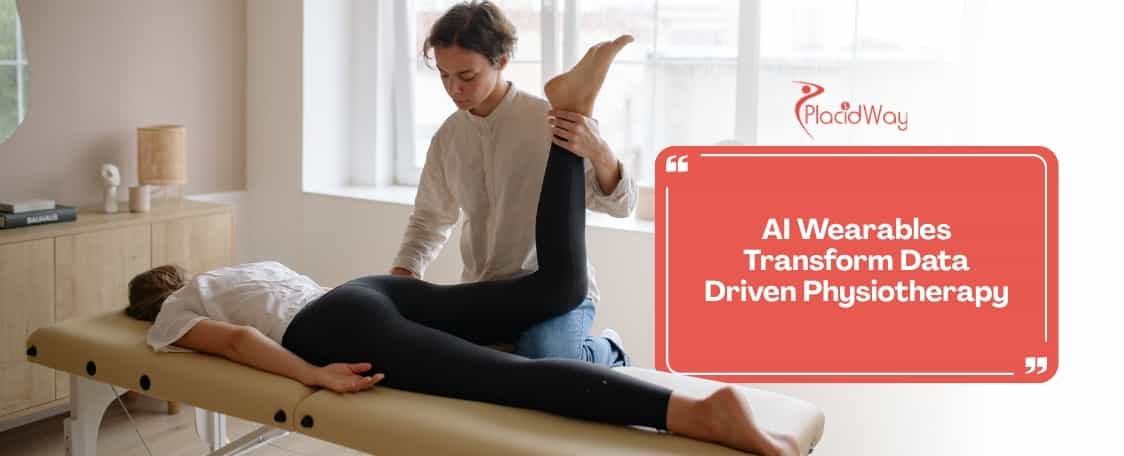
Wearable sensors and artificial intelligence analyze real-time movement data to create precise personalized recovery plans. This eliminates guesswork by tracking joint angles and muscle activation ensuring faster and highly measurable physiotherapy.
Key Takeaways: The Future of Biomechanical Recovery
- Objective Precision: Wearable sensors replace visual estimates with millimeter-accurate kinematic data.
- Adaptive Algorithms: Systems adjust exercise difficulty instantly based on fatigue and performance metrics.
- Accelerated Neuroplasticity: Real-time biofeedback rewires the brain faster than traditional physical therapy.
- World-Class Infrastructure: Swiss clinical excellence provides unparalleled access to neuro-robotic innovation.
- Continuous Monitoring: Seamless transition from inpatient clinics to remote home care.
How do wearable sensors improve movement tracking during physical therapy?
Wearable sensors provide continuous real-time data on joint angles and muscle activation. This enables specialists to correct microscopic biomechanical errors instantly during complex exercises.
- Inertial Measurement Units: These devices utilize accelerometers and gyroscopes to map the exact trajectory and velocity of every limb movement in three-dimensional space.
- Surface Electromyography: Specialized adhesive patches monitor the electrical signals firing within targeted muscles revealing whether a patient is properly engaging the correct muscle group or relying on unhealthy compensation habits.
- Spatiotemporal Gait Analysis: Sensors placed on the lower extremities instantly calculate stride length step width and weight distribution allowing for profound corrections in walking mechanics.
- Continuous Objective Monitoring: Unlike human eyes which can miss fleeting errors sensors record data at hundreds of frames per second guaranteeing absolute objectivity.
- Instant Error Correction: When a patient moves outside their prescribed safe range of motion the system triggers an alert allowing immediate adjustment before soft tissue damage occurs.
- Fatigue Detection: The sensors detect subtle tremors and decreases in movement velocity indicating neurological fatigue before the patient even feels tired ensuring optimal workout duration.
What role does artificial intelligence play in creating customized rehabilitation plans?
Artificial intelligence processes vast amounts of patient movement data to predict recovery timelines and dynamically adjust treatment protocols. It ensures every exercise is perfectly tailored to your current physical capabilities.
Modern physical therapy generates an overwhelming amount of raw data that a human brain cannot process simultaneously. This is where advanced machine learning algorithms become indispensable. As you perform a therapeutic movement the software digests thousands of data points regarding your speed power symmetry and stability. The system immediately compares your current performance against millions of historical datasets from similar injuries to determine your exact stage of recovery.
Based on this deep analysis the system utilizes predictive modeling to forecast potential plateaus or complication risks. If the algorithm detects that a patient is adapting too quickly to a routine it will automatically increase the resistance or balance complexity. Conversely if the data shows neuromuscular stress or regressive asymmetry the system scales back the intensity to prevent overtraining and joint inflammation.
This dynamic adaptation means the rehabilitation protocol evolves daily sometimes even minute by minute. Patients no longer follow a generic printed sheet of exercises. Instead they experience a living breathing therapeutic pathway that matches their central nervous systems exact capacity on any given day promoting unprecedented healing efficiency.
Why are patients choosing AI-powered biomechanical rehabilitation in Switzerland?
Switzerland offers world-leading healthcare infrastructure combined with pioneering neuro-robotics research. Patients access elite facilities that integrate the latest sensor technology with pristine highly supportive recovery environments.
The global MedTech industry heavily focuses on the Swiss healthcare ecosystem due to its unparalleled integration of engineering and neurological medicine. Many of the worlds most advanced robotic exoskeletons and therapeutic software systems were developed in Swiss university laboratories. Consequently patients who travel for AI-powered biomechanical rehabilitation in Switzerland are treated with generation-defining technologies years before they become available in standard global clinics.
Beyond the technology itself the multidisciplinary approach in these specific facilities is extraordinary. A single patient is often supported by an integrated team consisting of neuro-physiotherapists biomechanical engineers sports medicine physicians and cognitive behavioral specialists. This unified brain trust reviews the daily sensor data collaboratively to ensure both physical and psychological recovery parameters are being met harmoniously.
Furthermore the serene alpine environment provides a profound psychological benefit. Intensive neurological recovery is mentally exhausting. Having the ability to recover in luxury medical facilities surrounded by calm natural beauty drastically lowers cortisol levels. Lowered stress hormones directly correlate with enhanced neuroplasticity making the actual therapeutic sessions much more effective.
The precision of Swiss medical engineering allows for gamified robotic therapy. Patients interact with virtual reality environments while suspended in robotic harnesses making grueling three-hour sessions feel engaging and profoundly motivating rather than repetitive and painful.
What is the expected AI-powered biomechanical rehabilitation cost in Switzerland?
The total investment generally ranges from $15,000 to $45,000 for intensive multi-week inpatient programs. This cost covers daily advanced robotic therapies specialist consultations and luxury medical accommodations.
Understanding the financial structure is crucial for families planning a medical journey. The AI-powered biomechanical rehabilitation cost in Switzerland reflects a premium all-inclusive model. Standard outpatient sensor diagnostics alone can cost between $1,500 and $3,000 for a comprehensive evaluation phase. However most international patients opt for comprehensive inpatient packages that span four to eight weeks which consolidate the most effective therapies into a strict daily schedule.
These specialized packages typically include exclusive access to zero-gravity treadmills full-body robotic mobility suits and daily sessions on sensor-equipped neuromuscular assessment machines. Additionally the fee incorporates round-the-clock nursing care dietary optimization specifically formulated for tissue repair and extensive daily data analysis performed by senior biomechanical engineers. While the initial investment is substantial the accelerated healing timeline often reduces long-term disability costs.
Comparatively achieving the same volume of highly specialized robotic therapy in North America could take several years of fragmented outpatient visits with massive co-pays. The concentrated intensive approach found in Swiss clinics compresses years of potential progress into months providing a return on investment measured in significantly restored mobility and absolute quality of life.
How do intelligent biofeedback systems accelerate neuromuscular recovery?
Intelligent biofeedback translates invisible muscle activity into immediate visual or auditory signals. This continuous sensory loop trains the brain to rewire complex neural pathways much faster than traditional blind exercises.
- Enhanced Neuroplasticity: By linking a physical movement with immediate visual confirmation on a screen the brain forms new synaptic connections significantly faster bridging damaged neurological gaps.
- Targeted Muscle Isolation: Biofeedback allows patients to see the exact moment a specific micro-muscle fires helping them isolate deep stabilizers rather than relying on larger dominant muscle groups.
- Cognitive Engagement: Transforming an abstract instruction into a clear visual target forces the patient to maintain intense cognitive focus preventing the dangerous autopilot mindset during therapy.
- Therapeutic Gamification: Systems use the patients sensor data to control virtual avatars in games. Reaching a high score requires perfect posture and balance driving immense intrinsic motivation.
- Micro-Progress Visibility: Patients with severe mobility loss often feel discouraged. Biofeedback shows them a tiny 2 percent increase in electrical muscle output providing immense psychological hope before visible movement returns.
- Auditory Cuing: Tonal changes alert patients immediately if their gait becomes asymmetrical allowing them to self-correct their stride in real-time without waiting for a therapists verbal command.
What conditions benefit most from a data-driven physiotherapy clinic in Switzerland?
Stroke survivors spinal cord injury patients and elite athletes recovering from complex surgeries see the highest success rates. The precision technology handles complex multi-joint rehabilitation flawlessly.
Neurological conditions require the most intensive intervention making them ideal candidates for advanced facilities. Patients who have suffered ischemic or hemorrhagic strokes often deal with hemiparesis which causes severe gait imbalances. A specialized data-driven physiotherapy clinic in Switzerland uses robotic gait training to force hundreds of perfect symmetrical steps daily. This aggressive flawless repetition is the only proven method to rebuild the motor cortex networks severely damaged by a stroke.
Individuals with incomplete spinal cord injuries also experience transformative results. Wearable surface electromyography sensors detect the faintest electrical signals attempting to cross the spinal lesion. The system then utilizes functional electrical stimulation combined with robotic assistance to amplify that weak signal into a real physical movement. Over time this process trains the spinal cord to optimize whatever dormant neural pathways remain intact.
Additionally sports medicine relies heavily on this technology. Professional athletes recovering from ACL reconstructions or complex shoulder surgeries cannot afford a millimeter of instability. The sensor suites meticulously evaluate their explosiveness deceleration control and joint sheer forces. They are only cleared to return to high-impact competition when the algorithmic data proves their biomechanics are flawlessly symmetrical minimizing any risk of catastrophic re-injury.
Many data-driven clinics utilize anti-gravity treadmills originally developed by aerospace engineers. These machines use positive air pressure to unweight a patient by up to 80 percent allowing someone with severe lower body injuries to practice walking weeks before they can bear their own full body weight.
How does remote sensor monitoring extend the benefits of clinical rehabilitation to the home?
Remote monitoring utilizes smart garments to track patient compliance and exercise form after they leave the clinic. Therapists review this cloud-based data to adjust home routines without requiring in-person visits.
The greatest risk in physical therapy occurs during the transition from intensive inpatient care to independent home exercises. Historically patients lose motivation or perform exercises with poor form once the watchful eye of the therapist is removed. Modern tele-rehabilitation solves this through smart clothing embedded with flexible micro-sensors. Patients wear these discrete garments during their daily home routines transmitting real-time motion capture data securely to the clinical cloud.
The clinical team monitors this dashboard weekly to evaluate joint range of motion and overall therapy compliance. If the data indicates that a patient is struggling to achieve ninety degrees of knee flexion during a squat the therapist can intervene via a video consultation to correct the mechanics or modify the prescription. This ensures that the patient does not spend weeks reinforcing a bad movement pattern that could stall their overall recovery.
Furthermore this continuous data stream provides immense peace of mind for the patient. They know that every effort they make is being recorded analyzed and validated by their medical team. The software provides them with a daily mobile application report showing their progression trends which serves as a powerful psychological anchor during the long difficult months of chronic rehabilitation.
What are the distinct differences between traditional physical therapy and AI biomechanical programs?
Traditional therapy relies heavily on the subjective visual observation of the practitioner. AI biomechanical programs rely on objective millimeter-precise data points to guide and force perfect repetition.
- Subjective vs Objective Data: Traditional therapy measures angles with manual goniometers which vary between users. AI systems use absolute spatial data ensuring zero margin of measurement error.
- Manual vs Robotic Assistance: Traditional care limits patients to the physical strength of the therapist. Robotic therapy easily supports heavy or completely paralyzed limbs safely for hours.
- Intermittent vs Continuous Feedback: Standard therapy provides corrections only when the therapist speaks. Sensor therapy provides continuous unbroken visual and physical feedback loop throughout the entire session.
- Generic vs Adaptive Programming: Traditional plans utilize standardized printed sheets. Intelligent algorithms dynamically alter your workout mid-session based on your immediate biological responses.
- Low vs High Repetition Volume: A manual therapy session might achieve forty decent steps. A robotic gait session can achieve one thousand perfectly symmetrical steps maximizing neuroplasticity.
- Delayed vs Instant Correction: Patients in traditional settings often develop compensatory habits without knowing. AI software prevents these habits instantly by freezing the exercise if the form breaks down.
Why choose PlacidWay for organizing medical tourism in Switzerland?
PlacidWay connects patients with globally accredited rehabilitation centers offering transparent pricing and expert care. We ensure your medical transition to advanced European physiotherapy is completely seamless.
- Strict Clinical Vetting Process: PlacidWay exclusively partners with rehabilitation facilities that hold rigorous European medical accreditations ensuring you receive treatment in heavily regulated elite environments.
- Direct Medical Expert Access: We facilitate immediate introductions to board-certified neuro-physiotherapists and biomechanical engineers allowing you to discuss your specific condition before making any commitments.
- Comprehensive Record Transfer: Our dedicated medical coordinators ensure all your complex MRI scans surgical reports and historical therapy notes are translated securely transferred and reviewed by the Swiss clinical team well in advance.
- Absolute Price Transparency: Navigating international medical fees is incredibly complex. We negotiate clear itemized treatment packages so you understand the exact cost of robotic therapies sensor analytics and nursing care with zero hidden surprises.
- Continuous Care Coordination: Your PlacidWay patient liaison remains your dedicated advocate throughout your entire medical journey ensuring that your clinical scheduling language translation needs and daily therapy requirements are flawlessly executed.
Frequently Asked Questions
Are wearable sensors safe for patients with cardiac pacemakers?
Most modern inertial measurement units and optical sensors are completely passive and do not emit harmful electromagnetic frequencies making them generally safe for pacemaker patients. However surface electromyography sensors are typically avoided directly over the chest area to prevent any potential signal interference.
How long is a typical intensive rehabilitation program in Swiss centers?
Intensive inpatient programs typically range from three to eight weeks depending on the severity of the neurological or orthopedic condition. Patients undergo three to five hours of targeted robotic and sensor-assisted therapy daily to maximize neuroplasticity and functional recovery.
Does international health insurance cover robotic physiotherapy procedures?
Coverage varies significantly depending on your premium global health insurance policy. While many top-tier international plans cover inpatient neuro-rehabilitation they may require detailed medical justification showing that robotic and artificial intelligence therapies are medically necessary for your specific recovery phase.
Can advanced biomechanical mapping help with chronic lower back pain?
Yes biomechanical mapping is highly effective for chronic lower back pain because it identifies microscopic asymmetries and muscular imbalances that traditional imaging often misses. The system trains patients to engage deep core stabilizers correctly permanently altering the movement patterns causing their pain.
What kind of clothing is required for sensor-based physical therapy?
Patients should wear form-fitting athletic clothing such as compression leggings and tight athletic shirts. Loose clothing can shift during movement causing the attached sensors to record inaccurate kinematic data and disrupting the real-time feedback loop.
Do I need a doctor referral to attend a Swiss rehabilitation center?
Yes specialized medical facilities require comprehensive medical records including recent MRI scans surgical reports and a formal referral from your primary neurologist or orthopedic surgeon. This ensures the clinical team can safely design your initial admission protocols.
How quickly will I see results with these advanced technologies?
Because patients receive highly concentrated optimal repetitions many notice significant improvements in gait stability and movement confidence within the first two weeks. However deep neurological rewiring and long-term muscle memory retention typically require continuous effort over several months.
Is artificial intelligence replacing human physical therapists?
Not at all. The technology acts as an incredibly precise tool that enhances the capability of the human specialist. The therapist relies on the data to make advanced clinical decisions while providing the empathy physical touch and psychological support that machines cannot replicate.
Can pediatric patients use these advanced wearable sensors?
Yes leading pediatric rehabilitation centers use modified lightweight sensors and highly gamified software interfaces for children with cerebral palsy or developmental delays. The interactive games keep children highly motivated turning repetitive therapeutic exercises into an engaging play session.
What happens to my movement data after the therapy is complete?
Your kinematic data is securely encrypted and stored in compliance with strict European medical privacy laws. Patients receive a comprehensive digital report of their progress which can be shared securely with their home physicians to guide long-term maintenance exercises.
Unlock Your Optimal Recovery Potential
* Medical coordinator responses typically within 24 hours. Privacy absolutely guaranteed.
.jpg)








Share this listing